
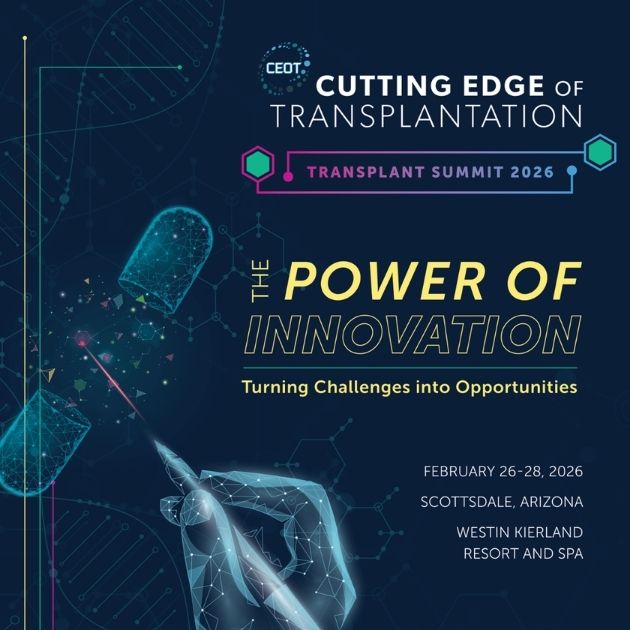
American Society of Transplantation Cutting Edge of Transplantation 2026
$40.00
This Product is shared via google drive download link, So please share your correct Gmail id while placing the order .Please note that there are no CME points or certificate associated with this course Samples for Courses Can be found here : Free Samples Here!
American Society of Transplantation Cutting Edge of Transplantation 2026
Transplantation • Solid Organ Transplant • Xenotransplantation • Organ Allocation • Transplant Research • Long-Term Graft Survival
Explore emerging concepts, clinical innovation, policy, equity, and research in solid organ transplantation with the American Society of Transplantation Cutting Edge of Transplantation 2026 (CEoT 2026).
Organized by the American Society of Transplantation (AST), CEoT 2026 was held February 26–28, 2026, at The Westin Kierland Resort & Spa in Scottsdale, Arizona. The meeting opened on February 26 and concluded at noon on February 28.
The Cutting Edge of Transplantation (CEoT) is an intentionally small, innovation-driven transplantation meeting designed to create focused discussion among clinicians, investigators, transplant leaders, and other professionals working across organ types and specialties. AST describes CEoT as emphasizing modernization, equity, policy, innovation, and lifelong patient care, with fewer concurrent sessions and more opportunities for cross-disciplinary interaction.
The 2026 meeting addressed major challenges affecting contemporary transplantation, including changing research and health-policy priorities, innovative clinical-trial design, biomarkers and registry data, deceased-donor research, xenotransplantation, organ-allocation reform, disparities in access to transplantation, changing candidacy for transplantation, and strategies to improve long-term graft and patient outcomes.
Course Details
- Meeting: Cutting Edge of Transplantation – CEoT 2026
- Organizer: American Society of Transplantation – AST
- Year: 2026
- Dates: February 26–28, 2026
- Venue: The Westin Kierland Resort & Spa
- Location: Scottsdale, Arizona, USA
- Specialty: Transplantation Medicine / Solid Organ Transplantation
- Primary Focus: Innovation in Transplantation
- Format: Live Meeting / On-Demand Educational Collection
- On-Demand Collection: 60 Presentations
- Language: English
- Theme: The Power of Innovation – Turning Challenges into Opportunities
AST’s 2026 meeting materials identify the event as the Cutting Edge of Transplantation Transplant Summit 2026, held at the Westin Kierland Resort & Spa in Scottsdale.
Following the meeting, AST made a collection of 60 CEoT 2026 presentations available on-demand.
Course Overview
Modern solid organ transplantation involves far more than the transplant procedure itself.
Optimal transplant care requires integration of:
Organ Availability → Candidate Selection → Allocation → Donor Management → Transplantation → Immunologic Management → Graft Preservation → Long-Term Follow-Up
CEoT 2026 examines this entire ecosystem through clinical, scientific, ethical, regulatory, and health-system perspectives.
The meeting brings together expertise across kidney, liver, heart, lung, and other areas of transplantation while examining challenges that affect the transplant community as a whole.
Major areas addressed include transplantation research, organ allocation, xenotransplantation, donor research, equity, transplant candidacy, graft survival, research funding, biomarkers, registry data, and continuity of lifelong transplant care.
Learning Objectives
Upon completion of this program, participants should be better able to:
- Evaluate current challenges and opportunities to improve patient care and expand clinical and research impact within the organ transplant ecosystem.
- Deepen understanding of advances in clinical transplantation across chronic and end-stage organ diseases.
- Assess novel endpoints, biomarkers, and registry data to accelerate drug labeling and development.
- Analyze ethical, regulatory, and practical considerations in xenotransplantation and deceased donor management research.
- Examine the current state and future of allocation algorithms, expedited systems, and continuous distribution for heart, kidney, liver, and lung transplantation.
- Formulate strategies to overcome health disparities, redesign continuity of care, and improve long-term graft survival outcomes.
CEoT 2026 Scientific Program
The official CEoT 2026 agenda was organized around major strategic challenges facing contemporary transplantation.
The program began with discussion of changing HHS and NIH priorities and their potential effects on transplantation research and healthcare delivery before moving into innovative clinical research, deceased-donor research, xenotransplantation, organ allocation, future transplant candidacy, and long-term outcomes.
Navigating Shifting HHS and NIH Priorities
One major CEoT 2026 session focused on:
Navigating Shifting HHS and NIH Priorities: Opportunities and Strategic Responses for Transplantation
The session incorporated multiple perspectives, including:
- Patient perspectives
- University development perspectives
- Foundation perspectives
- Federal perspectives
- Industry perspectives
- NIH perspectives
The program reflects the importance of understanding how changes in research priorities, federal policy, institutional funding, and healthcare strategy can affect transplantation research and clinical innovation.
Designing the Future of Transplantation Through Innovative Clinical Research
Transplant research requires methods capable of evaluating new therapies while addressing relatively complex clinical populations and outcomes.
The CEoT 2026 program included a dedicated session on innovative clinical research examining:
- Novel clinical endpoints
- Alternatives to traditional clinical trials
- Registry data
- Drug labeling
- Biomarkers
- Precision in drug development
- Strategies for accelerating therapeutic innovation
The official program specifically included presentations on novel endpoints, alternatives to traditional clinical trials, use of registry data to accelerate drug labeling, and biomarkers in drug development.
A practical research-development pathway can be summarized as:
Clinical Question → Appropriate Endpoint → Trial or Alternative Research Design → Biomarkers / Registry Data → Evidence Generation → Therapeutic Development
Deceased Donor Management Research
A dedicated CEoT 2026 session addressed:
Balancing Ethics with Innovation – The Frontier of Deceased Donor Management Research
The program explored clinical research involving deceased donors from scientific, regulatory, and ethical perspectives.
Topics included deceased-donor research intended to improve organ utilization and outcomes, research involving donor-lung recovery and preservation, genomics research involving deceased-donor tissue, and regulatory and ethical challenges associated with donor research.
These discussions are particularly relevant as transplantation seeks to expand the donor pool while maintaining appropriate ethical and regulatory standards.
Health Disparities & Transplantation
Health disparities were another important theme of the CEoT 2026 program.
AST’s on-demand program specifically identifies a Keynote Address on Health Disparities Science and Transplantation.
Access to transplantation can be influenced by multiple stages of the care pathway:
Referral → Evaluation → Listing → Organ Allocation → Transplantation → Long-Term Follow-Up
Understanding disparities at each stage is important when designing systems intended to improve equitable access to transplantation.
Xenotransplantation
One of the major CEoT 2026 sessions was:
Are We Ready for Xeno? Exploring Non-Human and Artificial Solutions
The session examined the emerging field of xenotransplantation and included discussion of:
- Xenotransplantation in clinical practice
- Future clinical applications
- Xenotransplant clinical-trial readiness
- Anti-porcine immunity
- Rejection mechanisms
- Ethical considerations
- Public trust
- Relationship to allotransplantation
The official agenda included presentations on clinical readiness for xenotransplantation and mechanisms of anti-porcine immunity and rejection, followed by discussion of ethical considerations and public trust.
Organ Allocation & Smart Matching
CEoT 2026 examined how organ-allocation systems can evolve to improve efficiency, equity, and clinical outcomes.
A major series of breakout sessions was titled:
Smart Match – Transforming Allocation with Innovation and Equity
The program included organ-specific discussions involving:
- Kidney transplantation
- Liver transplantation
- Heart transplantation
- Lung transplantation
Key concepts included matching algorithms, continuous distribution, expedited allocation, allocation of scarce resources, out-of-sequence allocation, organ-preservation technologies, current allocation policies, and challenges affecting transplant centers and organ procurement organizations.
Kidney Transplantation
Kidney-focused sessions addressed several major areas affecting access to renal transplantation.
Topics in the official program included:
- Continuous distribution
- Expedited allocation systems
- Allocation of scarce resources
- Islet cell therapies
- Transplantation in patients with a history of cancer
- Highly sensitized transplant candidates
- Desensitization
- HLA-incompatible transplantation
The future-oriented kidney sessions considered how evolving therapies and allocation strategies may change the population receiving transplantation over the coming decade.
Liver Transplantation
The liver transplantation program addressed both allocation and the changing landscape of transplant candidacy.
Topics included:
- Out-of-sequence organ allocation
- Continuous distribution
- Perfusion technologies
- Adult liver-transplant candidate selection
- Pediatric liver transplantation
- Changing indications for transplantation
- Future liver waiting-list design
- Programmatic considerations in liver transplantation
The program examined how greater organ availability, genomic advances, and evolving clinical therapies could influence future liver-transplant selection.
Heart Transplantation
Heart transplantation sessions considered current allocation systems and future technologies.
Topics included:
- Current heart-allocation policies
- Continuous distribution
- Pediatric implications of policy changes
- Organ transportation and preservation devices
- Current barriers to transplant candidacy
- Adult mechanical devices
- Pediatric device development
- Access for underserved populations
These discussions link transplant policy with mechanical circulatory support, pediatric transplantation, healthcare equity, and future organ-replacement strategies.
Lung Transplantation
Lung transplantation sessions explored allocation, transplant-center challenges, changing candidacy, and future therapeutic developments.
The official program included discussion of:
- Organ procurement organization perspectives
- Transplant-center perspectives
- Allocation-system development
- New therapies for interstitial lung disease
- Future lung-transplant eligibility
- Referral patterns
- Equity and access
- Emerging infections after lung transplantation
These topics illustrate how improvements in medical therapy may delay transplantation for some patients while changing eligibility and referral patterns for others.
Changing Landscape of End-Stage Organ Disease
A major CEoT 2026 program section asked:
The Changing Landscape of End Organ Disease – Who Gets Transplanted in 2035?
The kidney, liver, heart, and lung breakout sessions explored how future therapies, technologies, genomics, mechanical support, changes in organ availability, and new approaches to candidate selection could reshape transplantation.
The broader concept can be summarized as:
Advances in Chronic Disease Treatment → Changing Transplant Indications → Changing Candidate Population → New Allocation Challenges → New Models of Transplant Care
One Transplant for Life
CEoT 2026 concluded with a major session titled:
One Transplant for Life – Reimagining Long-Term Outcomes
The program addressed one of the most important challenges in transplantation: extending graft survival while simultaneously improving the long-term patient experience.
Official topics included:
- The plateau in long-term graft survival
- Treatment burden
- Patient experience
- Adjunctive therapies to protect the graft and patient
- Continuity of care
- Lifelong transplant success
The session specifically examined why graft survival can stall over the long term and how transplant programs might redesign continuity of care to support better lifelong outcomes.
Long-Term Graft Survival
Successful transplantation is not defined only by the immediate surgical outcome.
Long-term transplant care requires ongoing attention to:
Graft Function + Immunologic Risk + Treatment Burden + Medication Management + Comorbid Disease + Continuity of Care + Patient Experience
CEoT 2026 emphasizes the need to move toward models of care that consider both graft longevity and the long-term health of transplant recipients.
Innovation in Transplantation
Innovation across transplantation may involve improvements in:
- Donor management
- Organ preservation
- Allocation systems
- Clinical trials
- Biomarkers
- Therapeutic development
- Xenotransplantation
- Mechanical organ support
- Candidate selection
- Equity
- Long-term graft protection
- Continuity of care
CEoT provides a forum for considering how these innovations can interact rather than viewing each component of transplantation in isolation.
Transplant Equity & Access
Equity is integrated into several areas of the CEoT program rather than treated as an isolated subject.
Potential points where disparities can emerge include:
Disease Recognition → Referral → Evaluation → Listing → Allocation → Transplant → Follow-Up
CEoT 2026 examines approaches to improving access and redesigning systems so that advances in transplantation benefit broader patient populations.
Target Audience
CEoT brings together clinical and translational experts from the fields of chronic disease, end-stage organ disease, and solid organ transplantation.
With fewer concurrent sessions and more shared time, CEoT is designed to facilitate meaningful connections with transplant clinicians, researchers, and leaders shaping the field. AST describes the meeting as a cross-disciplinary and discussion-driven forum focused on practical solutions and innovation in transplant care.
The program is particularly relevant for:
- Transplant Surgeons
- Nephrologists
- Hepatologists
- Pulmonologists
- Cardiologists
- Immunologists
- Clinical Researchers
- Transplant Physicians
- Transplant Scientists
- Organ Donation Professionals
- Transplant Program Leaders
- Trainees working in transplantation
- Professionals involved in solid organ donation and transplantation
Who Should Take This Course?
American Society of Transplantation Cutting Edge of Transplantation 2026 is especially relevant for professionals seeking advanced updates on the clinical, scientific, ethical, regulatory, and systems-level challenges affecting solid organ transplantation.
It is particularly suited to professionals involved in:
- Kidney transplantation
- Liver transplantation
- Heart transplantation
- Lung transplantation
- Transplant surgery
- Transplant medicine
- Transplant immunology
- Organ allocation
- Organ donation
- Clinical transplantation research
- Xenotransplantation
- Donor management
- Long-term transplant care
Why This Course Is Useful
The strength of CEoT 2026 is its focus on problems that can shape the future of transplantation rather than attempting to provide a broad review of every aspect of transplant medicine.
The meeting connects clinical transplantation with:
Research Innovation → Donor Science → Xenotransplantation → Allocation → Equity → Future Candidacy → Lifelong Graft Outcomes
Its small, discussion-oriented format is intentionally designed to encourage cross-disciplinary exchange among transplantation professionals.
CEoT 2026 On-Demand
The American Society of Transplantation subsequently released a CEoT 2026 on-demand collection containing 60 presentations.
AST identifies major video collections addressing:
- Navigating shifting HHS and NIH priorities
- Innovative clinical research
- Deceased-donor management research
- Health disparities science and transplantation
- Xenotransplantation and artificial organ solutions
- Innovative and equitable organ allocation
- The changing landscape of end-organ disease
- Long-term transplantation outcomes
Major Topics Covered
- Solid Organ Transplantation
- Kidney Transplantation
- Liver Transplantation
- Heart Transplantation
- Lung Transplantation
- Transplant Research
- HHS and NIH Priorities
- Research Funding and Strategy
- Innovative Clinical Trials
- Novel Clinical Endpoints
- Biomarkers
- Registry Data
- Drug Development
- Deceased Donor Management Research
- Organ Utilization
- Organ Recovery and Preservation
- Donor Genomics
- Research Ethics
- Transplant Regulation
- Health Disparities
- Xenotransplantation
- Xenotransplant Clinical Trials
- Anti-Porcine Immunity
- Xenograft Rejection
- Public Trust
- Organ Allocation
- Matching Algorithms
- Continuous Distribution
- Expedited Allocation
- Equity in Organ Allocation
- Scarce Resource Allocation
- Perfusion Technologies
- Highly Sensitized Transplant Candidates
- Desensitization
- HLA-Incompatible Transplantation
- Islet Cell Therapy
- Pediatric Transplantation
- Mechanical Circulatory Support
- Interstitial Lung Disease
- Emerging Infections in Lung Transplantation
- Transplant Candidate Selection
- Long-Term Graft Survival
- Treatment Burden
- Graft Protection
- Continuity of Care
- Lifelong Transplant Outcomes
Short Description
American Society of Transplantation Cutting Edge of Transplantation 2026 (CEoT 2026) is an innovation-focused solid organ transplantation meeting held February 26–28, 2026, at The Westin Kierland Resort & Spa in Scottsdale, Arizona.
The program explores kidney, liver, heart, and lung transplantation, innovative clinical research, biomarkers, registry data, deceased-donor research, xenotransplantation, organ-allocation reform, continuous distribution, health disparities, transplant candidacy, long-term graft survival, and lifelong transplant care.
Following the live meeting, AST released an on-demand collection containing 60 presentations from CEoT 2026.
Provider: American Society of Transplantation – AST
Dates: February 26–28, 2026
Venue: The Westin Kierland Resort & Spa
Location: Scottsdale, Arizona
Specialty: Solid Organ Transplantation
On-Demand Collection: 60 Presentations
Topics
- Transplantation Policy & Research Priorities: Navigating shifting HHS and NIH priorities and evaluating strategic responses for transplantation.
- Innovative Clinical Research: Novel endpoints, alternative clinical-trial models, registry data, biomarkers, drug labeling, and accelerated therapeutic development.
- Deceased Donor Management Research: Organ utilization, lung recovery and preservation, donor-tissue genomics, regulatory issues, and research ethics.
- Health Disparities in Transplantation: Understanding disparities and strategies for improving equitable access to transplant care.
- Xenotransplantation: Clinical readiness, non-human organ solutions, anti-porcine immunity, rejection mechanisms, ethics, and public trust.
- Kidney Allocation: Continuous distribution, expedited allocation, scarce-resource allocation, and innovative approaches to kidney transplantation.
- Liver Allocation: Continuous distribution, out-of-sequence allocation, perfusion technologies, and future liver-transplant candidate selection.
- Heart Transplantation: Allocation policy, continuous distribution, pediatric considerations, organ-transport technologies, mechanical devices, and access to transplantation.
- Lung Transplantation: OPO and transplant-center challenges, evolving allocation systems, interstitial lung disease therapy, future candidacy, equitable access, and emerging infections.
- Future Transplant Candidates: How advances in chronic and end-stage organ disease management may change who requires or qualifies for transplantation.
- Highly Sensitized Patients: Desensitization and strategies to enable HLA-incompatible kidney transplantation.
- Long-Term Graft Outcomes: Graft survival, treatment burden, adjunctive therapies, patient experience, continuity of care, and lifelong transplant success.
-
Keynote Speaker: Health Disparities Science and Transplantation
-
Session 1: Navigating Shifting HHS and NIH Priorities: Opportunities and Strategic Responses for Transplantation (Opening Patient Perspectives & Panel Discussion)
-
Session 2: Designing the Future of Transplantation through Innovative Clinical Research
-
Session 2: Harnessing Biomarkers to Redefine Speed and Precision in Drug Development
-
Session 2: Novel Endpoints to Spur Innovation in Transplantation
-
Session 2: Registry Data to Expand and Accelerate Drug Labeling
-
Session 3: Balancing Ethics with Innovation: The Frontier of Deceased Donor Management Research
-
Session 3: Deceased Donor Research to Increase Organ Utilization and Improve Outcomes
-
Session 3: Genomics Research Using Deceased Donor Tissue to Understand Normal and Abnormal DNA/RNA
-
Session 3: Interventions in Recovery and Preservation of Deceased Donor Lungs
-
Session 3: Regulatory and Ethical Challenges Related to Donor Research
-
Session 4: Anti-Porcine Immunity and Rejection Mechanisms
-
Session 4: Ethical Considerations and Public Trust Allotransplant Panel Discussion
-
Session 4: Xeno Clinical Trial Readiness
-
Session 4: Xeno In Practice: What the Future Will Look Like in Xeno
-
Session 5 Opening Talk: Matching Algorithms
-
Session 5: Heart Breakout (Continuous Distribution; Current State and Policies; Transport Devices; Pediatric Focus)
-
Session 5: Kidney Breakout (Allocation of Scarce Resources; Continuous Distribution; Expedited Allocation Systems)
-
Session 5: Liver Breakout (Continuous Distribution; Cost Efficient Strategies and Implementation of Perfusion Technologies; Out of Sequence Allocation)
-
Session 5: Lung Breakout (Future Directions into 2035; OPO Perspective Challenges; Transplant Center Perspective Challenges)
-
Session 6 Opening Talk: The Future of Transplant Expanding Possibilities for Patients
-
Session 6: Heart Breakout (Replacing Transplant Need; Accelerating Development; Reaching the Underserved; Roadblocks to Candidacy)
-
Session 6: Kidney Breakout (Expanding Access for Highly Sensitized Patients; Islet Cell Therapies for Diabetes; Access for Patients with a History of Cancer)
-
Session 6: Liver Breakout (Adult Hepatologist Perspective; Pediatric Perspective in a Genomic Era; Transplant Surgeon/Surgical Director Perspective into 2035)
-
Session 6: Lung Breakout (Emerging Infections in 2035; New Frontiers in ILD Therapy; Shifting Referral Patterns to Promote Equity; Expanding Eligibility for 2035)
-
Session 7: Bridging the Gap: Redesigning Continuity of Care for Lifelong Transplant Success
-
Session 7: From Treatment Burden to Treatment Freedom: Reimagining the Patient Experience
-
Session 7: One Transplant for Life: Reimagining Long-Term Outcomes
-
Session 7: The 10-Year Wall: Why Graft Survival Is Stalling
-
Session 7: The Missing Link: Adjunct Therapies to Protect the Graft and the Patient
Related products
Obstetrics & Gynecology
2023 Surgical Pathology Update: Diagnostic Pearls for the Practicing Pathologist: Vol. VII
Cardiology
Cardiology
Critical Care - Emergency medicine