
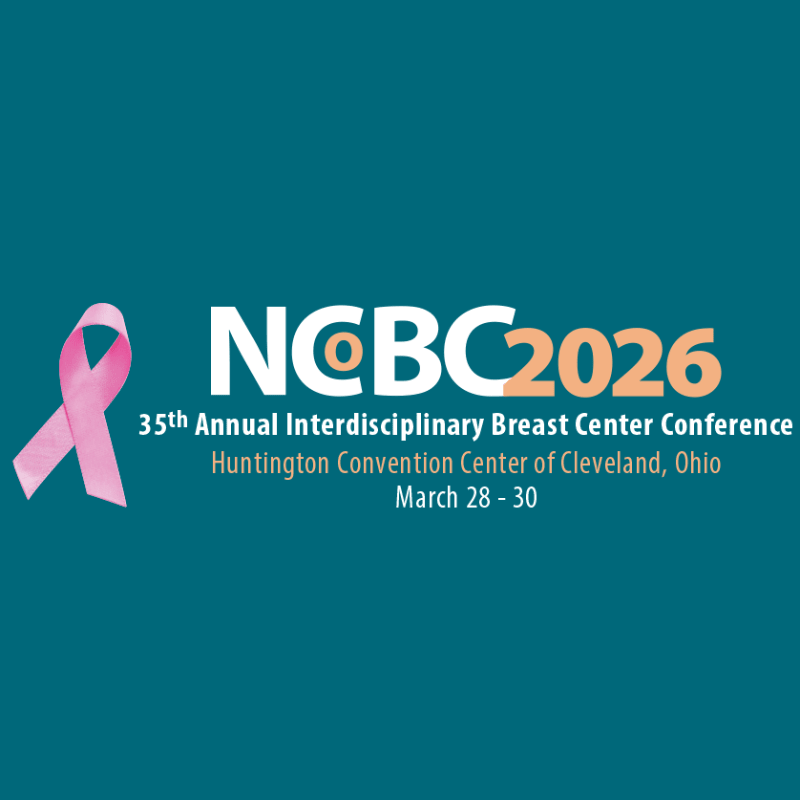
National Consortium of Breast Centers 35th Annual Interdisciplinary Breast Center Conference 2026
$65.00
Interdisciplinary breast-care review covering imaging, pathology, oncology and coordinated clinical management across breast centers.
Delivery Information: This Product is shared via google drive download link.
Please note: there are no CME points or certificate associated with this course.
For assistance, contact us on Telegram: https://t.me/medicalamboss1
MedicalAmboss File Scope: MedicalAmboss File Scope: This listing describes the educational subject matter for reference. Provider registration, live attendance, streaming-platform access, CME or other credit, certificates, memberships, apps, accounts, and publisher-hosted extras are not included unless they are explicitly listed as store files. MedicalAmboss.
National Consortium of Breast Centers 35th Annual Interdisciplinary Breast Center Conference 2026
Breast Surgery • Medical Oncology • Radiation Oncology • Breast Imaging • Genetics • Survivorship
March 28–30, 2026 | Cleveland, Ohio
Advance multidisciplinary breast care with the National Consortium of Breast Centers 35th Annual Interdisciplinary Breast Center Conference 2026 – NCoBC 2026, a comprehensive educational program addressing the latest developments across breast cancer risk assessment, screening, imaging, diagnosis, treatment, survivorship, navigation, genetics, quality improvement, and breast center program development.
Organized by the National Consortium of Breast Centers (NCBC), the milestone 35th Annual Conference was held at the Huntington Convention Center of Cleveland in Cleveland, Ohio. The main interdisciplinary conference took place March 28–29, 2026, followed by specialized post-conference programs on March 30, 2026.
The official curriculum was designed to bring together the entire breast center team—including clinicians, administrators, imaging professionals, navigators, genetics professionals, and allied health specialists—to improve consistency, quality, and patient outcomes across every phase of breast healthcare.
Major educational areas include:
- Breast cancer risk assessment
- Genetics and genomics
- High-risk breast care
- Breast imaging
- Dense breast tissue
- Artificial intelligence
- Breast surgery
- Medical oncology
- Radiation oncology
- Metastatic breast cancer
- Precision medicine
- Survivorship
- Treatment toxicities
- Sexual health
- Navigation
- Quality improvement
- Benign breast disease
- Breast center program development
Course Details
- Conference: 35th Annual Interdisciplinary Breast Center Conference – NCoBC 2026
- Organization: National Consortium of Breast Centers – NCBC
- Year: 2026
- Overall Dates: March 28–30, 2026
- Main Interdisciplinary Conference: March 28–29, 2026
- Post-Conference Programs: March 30, 2026
- Venue: Huntington Convention Center of Cleveland
- Location: Cleveland, Ohio
- Primary Field: Interdisciplinary Breast Care
- Primary Specialties: Breast Surgery, Medical Oncology, Radiation Oncology, Radiology
- Related Areas: Genetics, Genomics, Navigation, Survivorship, Breast Imaging, Geriatric Oncology, Quality Improvement
- Main Conference Listing: 11.5 Credits
- Maximum Official Educational Activity: Up to 19 Credits depending on selected conference and post-conference participation
- Educational Formats: Lectures, Panels, Breakout Sessions, Case Discussions, Posters, Workshops, and Post-Conferences
- Primary Focus: Evidence-Based, Patient-Centered, Multidisciplinary Breast Care
The official registration materials list 11.5 credits for the two-day interdisciplinary conference, while the broader NCoBC educational program advertised the opportunity to earn up to 19 credits depending on participation.
Who Was the Original Program Designed For?
The conference brings together a broad multidisciplinary breast healthcare community.
It is particularly relevant for:
- Breast Surgeons
- Medical Oncologists
- Radiation Oncologists
- Breast Radiologists
- General Radiologists
- Genetic Counselors
- Cancer Genetics Professionals
- Advanced Practice Providers
- General Practitioners
- Registered Nurses
- Oncology Nurses
- Patient Navigators
- Breast Health Navigators
- Mammography Technologists
- Ultrasound Technologists
- Geriatricians
- Survivorship Specialists
- Breast Center Administrators
- Program Leaders
- Quality Improvement Professionals
The strongest clinical audience remains:
Breast Surgery + Medical Oncology + Radiation Oncology + Breast Imaging
within a broader:
Interdisciplinary Breast Center Team
Learning Objectives
Upon completion of this program, participants should be better able to:
- Expand expertise in the evaluation and management of benign breast disease and high-risk breast care.
- Integrate the latest advancements in cancer genetics, genomics, and risk-reducing medications into clinical practice.
- Understand radiation risks, imaging technologies, and the role of technologists in breast imaging.
- Navigate controversies in shared decision-making and optimize care delivery for advanced metastatic cancer.
- Manage treatment toxicities and address psychosocial needs in survivorship care.
- Track and improve facility quality performance metrics using the National Quality Measures for Breast Centers (NQMBC) program.
The broader official conference objectives also address breast cancer risk assessment, imaging strategies, artificial intelligence, high-risk lesions, genetic predisposition, survivorship, clinical trial diversity, navigation, quality improvement, and program development.
INTERDISCIPLINARY BREAST CARE
One of the defining characteristics of NCoBC 2026 is its multidisciplinary approach.
Breast healthcare frequently requires coordinated care involving:
- Breast Surgery
- Medical Oncology
- Radiation Oncology
- Radiology
- Genetics
- Nursing
- Navigation
- Rehabilitation
- Survivorship
- Behavioral Health
- Administration
- Quality Improvement
The overall breast-care pathway can be summarized as:
Risk Assessment → Screening → Diagnosis → Treatment → Navigation → Survivorship → Quality Improvement
Breast Cancer Risk Assessment
The official curriculum emphasizes evaluation of breast cancer risk using multiple variables.
Important factors include:
- Dense breast tissue
- High-risk breast lesions
- Genetic predisposition
- Family history
These variables may influence decisions regarding:
- Enhanced screening
- Genetic counseling
- MRI
- Preventive medications
- Surgical risk reduction
- Long-term surveillance
The official objectives specifically identify dense breast tissue, high-risk lesions, genetic predisposition, and family history as important components of risk assessment.
High-Risk Breast Care
High-risk breast management received a dedicated post-conference program on March 30, 2026.
The official High-Risk Clinical Post-Conference focused on:
- Cancer risk models
- Genetics
- Genomics
- Germline testing
- Imaging
- Risk-reducing medications
- Surgical options
- Lifestyle risk
- NAPBC standards
- Hereditary cancer policy
Cancer Genetics & Genomics
Genetics and genomics form an important part of modern breast cancer risk assessment.
The NCoBC program addresses:
- Hereditary cancer syndromes
- Germline testing
- Genomic testing
- Genetic variants
- Risk assessment
- Cancer prevention
- Risk-reducing strategies
- Multigene testing
- Counseling
The High-Risk program included sessions on genomic versus germline testing, interpretation of genetic variants, risk models, and clinical genetics cases.
Breast Cancer Risk Models
A confirmed post-conference session was:
The Wizard’s Models for Cancer Risk: Understanding Tyrer Cuzick, Gail, and PREMM5
These models allow clinicians to incorporate personal, family, and genetic information into structured cancer-risk assessment.
Hereditary Cancer Syndromes
A confirmed main-conference presentation was:
Cancer Prevention and Risk Reduction in Women with Hereditary Cancer Syndromes
The session connects genetic predisposition with prevention, screening, counseling, and risk-reduction strategies.
Genetic Variants
The High-Risk program also included:
The Wizardry Behind Understanding Genetic Variants
and:
Over The Positive and Negative Rainbow: The Complexities of Germline Testing
These sessions highlight the challenges involved in translating genetic testing into real-world risk-management decisions.
Precision Medicine
The main conference included:
Biomarkers and Precision Medicine in Practice
reflecting the growing role of biomarkers and molecular information in treatment selection and breast cancer management.
BREAST IMAGING
Breast imaging is a major component of NCoBC 2026.
The curriculum addresses:
- Mammography
- Breast MRI
- Abbreviated MRI
- Contrast-enhanced mammography
- Dense breast tissue
- Molecular imaging
- PET/FES CT
- Artificial intelligence
- Remote imaging
- Radiation risk
- Technical imaging quality
Radiation Risk from Imaging
A confirmed main-session presentation was:
Factor or Fiction: Understanding Radiation Risk Associated with Imaging Exams
presented by Rebecca Milman, PhD.
This supports more accurate discussion of imaging benefits and radiation exposure with patients and clinical teams.
Breast MRI
MRI plays an important role in selected breast imaging populations, particularly patients at elevated risk.
The 2026 curriculum addresses:
- Breast MRI
- High-risk screening
- New MRI techniques
- Abbreviated protocols
- Workflow
- Appropriate patient selection
Abbreviated Breast MRI
A confirmed session was:
Abbreviated Breast MRI and New Breast MRI Protocol Techniques
presented by Chris Comstock, MD.
Abbreviated MRI represents one strategy being explored to improve access and efficiency while preserving diagnostic value.
Contrast-Enhanced Mammography
The program also includes:
Contrast Enhanced Mammography: Is It Ready for Prime Time?
This reflects increasing clinical interest in contrast-enhanced mammographic techniques as supplemental breast imaging tools.
Dense Breast Tissue
Dense breast tissue is important both because of its relationship to breast cancer risk and because it may reduce mammographic sensitivity.
The conference addresses enhanced screening strategies for patients with dense breast tissue and incorporates breast density into broader risk assessment.
Artificial Intelligence in Breast Imaging
AI is one of the emerging technologies represented prominently in the program.
The official conference objectives include evaluating the potential of AI to improve:
- Diagnostic accuracy
- Workflow
- Clinical decision-making
A confirmed session was:
Generative AI in Breast Imaging Part II
presented by Amy Patel, MD.
Remote Diagnostic Imaging
Another confirmed session was:
Remote Diagnostic Imaging: How Do We Make the Workflow Work?
This reflects the growing operational importance of remote breast imaging interpretation and workflow management.
BREAST SURGERY
Surgical breast care is integrated throughout the conference.
A confirmed session was:
Advancing Breast Surgery: Innovations You Can Use Now
presented by Anna Weiss, MD.
Important surgical themes include:
- Contemporary breast surgery
- Nipple discharge
- High-risk surgery
- Risk-reducing procedures
- Cryoablation
- Breast cancer staging
- Multidisciplinary treatment planning
Breast Cancer Staging
A confirmed presentation was:
Breast Cancer Staging: Major Changes Coming in 2027
presented by Jennifer Plichta, MD.
This session helps clinicians prepare for upcoming changes in breast cancer staging.
MEDICAL ONCOLOGY
Medical oncology education covers both emerging therapeutic approaches and management of treatment complications.
Major areas include:
- Systemic therapy
- Immunotherapy
- Precision medicine
- Metastatic breast cancer
- Immune toxicity
- Treatment adverse effects
- Survivorship
Immune Toxicity
A confirmed general session was:
Models for Care: Managing Short & Long-Term Immune Toxicity
presented by Rani Bansal, MD.
Management may require multidisciplinary collaboration because immune-related toxicity can persist beyond active treatment.
Metastatic Breast Cancer
The conference includes substantial education involving metastatic breast cancer.
A confirmed general session was:
Metastatic Breast Cancer: Refining Survivorship
presented by Halle Moore, MD.
The program also included:
Optimizing Care Delivery in Advanced Metastatic Cancer
presented by Eleonora Teplinsky, MD.
These sessions reflect the need for long-term, patient-centered care as patients live longer with advanced disease.
Shared Decision-Making
A major conference panel was:
Controversies in Clinic: Shared Decision Making in Action
The session addresses situations where:
- Evidence may be uncertain
- Several treatment strategies are reasonable
- Benefits and risks differ
- Patient preferences influence treatment choice
RADIATION ONCOLOGY
Radiation oncology is integrated within the larger interdisciplinary breast treatment pathway.
The conference includes contemporary radiation therapy education and discussion of coordination with systemic treatment.
One confirmed session was:
Going to the Chapel: The Marriage of Radiation and Systemic Therapy – For Better or Worse
SURVIVORSHIP
NCoBC 2026 places substantial emphasis on survivorship.
Major survivorship themes include:
- Metastatic survivorship
- Menopause
- Sexual health
- Body image
- Lymphedema
- Exercise
- Prehabilitation
- Psychosocial health
- Treatment toxicity
- Nutrition
- Fertility
- Neuropathy
- Alopecia
Psychosocial Care
A confirmed presentation was:
Psychosocial Precision in the Outcomes of Cancer Care
presented by Kathleen Ashton, PhD.
Psychosocial care is treated as part of cancer outcomes rather than as an optional addition to clinical treatment.
Menopause & Breast Cancer Survivorship
A confirmed session was:
The Pink Elephant in the Room: Addressing Menopause and the Breast Cancer Survivor Care Vacuum
presented by Corinne Menn, DO.
Menopause management is particularly complex among breast cancer survivors because symptom control must be considered in relation to cancer history and treatment.
Sexual Health
The conference also includes:
Sexual Health After Breast Cancer: Clinical Conversations That Matter
and education addressing:
- Genitourinary Syndrome of Menopause – GSM
- Low sexual desire
- Intimacy
- Survivorship
Body Image
A confirmed presentation was:
Breast Cancer and Body Image: The Invisible Struggle
This highlights an important psychosocial component of survivorship following surgery and cancer treatment.
Exercise & Prehabilitation
A confirmed breakout session was:
Maximizing Prehabilitation for the Breast Patient
The curriculum also emphasizes exercise and physical recovery as meaningful components of breast cancer care.
Treatment Toxicities
Treatment toxicity is addressed across multiple disciplines.
Important areas include:
- Immune toxicity
- Neuropathy
- Gonadotoxicity
- Alopecia
- Musculoskeletal symptoms
- Sexual side effects
- Psychosocial effects
The objective is to recognize and manage these complications early enough to improve treatment tolerance and quality of life.
GERIATRIC ONCOLOGY
Older adults with breast cancer may require additional consideration of:
- Comorbidities
- Functional status
- Frailty
- Treatment tolerability
- Competing health risks
The program incorporates geriatric oncology into the broader multidisciplinary approach.
PATIENT NAVIGATION
Navigation is another major pillar of NCoBC education.
The program addresses:
- Patient tracking
- Care coordination
- Communication
- Resource identification
- Genetics navigation
- Survivorship
- Generational differences
- Patient access
- Community support
A dedicated March 30 program was offered as:
Surviving the Matrix of Navigation.
NQMBC & QUALITY IMPROVEMENT
The National Quality Measures for Breast Centers – NQMBC provides breast centers with a framework for tracking and improving performance.
Quality-focused education addresses:
- Clinical performance
- Patient experience
- Provider experience
- Program benchmarking
- Navigation quality
- Operational performance
- Facility metrics
One of the original learning objectives specifically emphasizes using NQMBC to track and improve facility quality performance.
Program Development
The official 2026 brochure states that program development received particular emphasis for the 35th Annual Conference.
Program leaders can apply conference content to:
- Breast center organization
- Quality improvement
- Recruitment
- Navigation
- Community engagement
- Revenue and sustainability
- Patient access
- Multidisciplinary workflow
BENIGN BREAST DISEASE
March 30 included a dedicated post-conference:
Curiouser and Curiouser! Adventures in the Wonderland of Benign Breast Disease
designed to deepen practical knowledge of benign breast presentations.
Major clinical themes included:
- Benign breast symptoms
- Palpable breast masses
- Superficial breast conditions
- Breast examination
- Biopsy
- Clinical management
High-Risk Clinical Post-Conference
The dedicated High-Risk track was titled:
High-Risk Clinical: Understanding Genetics
Major topics included:
- Tyrer-Cuzick
- Gail model
- PREMM5
- NCCN/ASCO updates
- Genomic versus germline testing
- NAPBC standards
- High-risk breast imaging
- Hereditary cancer policy
- Germline testing
- Lifestyle and environmental risk
- Genetic variants
- Risk-reduction strategies
- Surgical techniques
- Case discussions
Major Topics Covered
- Breast Cancer
- Breast Care
- Breast Centers
- Interdisciplinary Breast Care
- Breast Surgery
- Medical Oncology
- Radiation Oncology
- Breast Imaging
- Breast Radiology
- Mammography
- Breast MRI
- Abbreviated Breast MRI
- Contrast-Enhanced Mammography
- Dense Breast Tissue
- Artificial Intelligence
- Generative AI in Breast Imaging
- Imaging Radiation Risk
- Remote Breast Imaging
- Breast Cancer Risk Assessment
- High-Risk Breast Care
- Cancer Genetics
- Genomics
- Hereditary Cancer
- Germline Testing
- Genetic Variants
- Tyrer-Cuzick
- Gail Model
- PREMM5
- Risk-Reducing Strategies
- Precision Medicine
- Biomarkers
- Breast Cancer Staging
- Immunotherapy
- Immune Toxicity
- Metastatic Breast Cancer
- Advanced Breast Cancer
- Shared Decision-Making
- Survivorship
- Menopause
- Sexual Health
- Body Image
- Lymphedema
- Prehabilitation
- Exercise
- Oncofertility
- Treatment Toxicity
- Neuropathy
- Alopecia
- Nutrition
- Geriatric Oncology
- Patient Navigation
- Care Coordination
- NQMBC
- Quality Improvement
- Breast Center Program Development
- Benign Breast Disease
- Palpable Breast Masses
- Breast Examination
- Breast Biopsy
- Health Equity
- Community Outreach
Who Should Take This Course?
National Consortium of Breast Centers 35th Annual Interdisciplinary Breast Center Conference 2026 is particularly relevant for:
- Breast Surgeons
- Medical Oncologists
- Radiation Oncologists
- Breast Radiologists
- General Radiologists
- Genetic Counselors
- Cancer Genetics Specialists
- Advanced Practice Providers
- Registered Nurses
- Oncology Nurses
- Patient Navigators
- Mammography Technologists
- Ultrasound Technologists
- Geriatricians
- Survivorship Specialists
- Breast Center Administrators
- Program Directors
- Quality Improvement Professionals
- General Practitioners involved in breast health
The strongest clinical audience remains:
Breast Surgery + Medical Oncology + Radiation Oncology + Radiology
within a multidisciplinary breast center model.
Why This Course Is Useful
NCoBC 2026 provides a broad interdisciplinary review of the entire breast-care continuum.
Risk & Prevention
- Risk assessment
- Genetics
- Genomics
- High-risk lesions
- Dense breast tissue
- Risk reduction
Imaging
- Mammography
- MRI
- Abbreviated MRI
- Contrast-enhanced mammography
- AI
- Remote imaging
Treatment
- Breast surgery
- Medical oncology
- Radiation oncology
- Immunotherapy
- Precision medicine
Advanced Disease
- Metastatic breast cancer
- Shared decision-making
- Geriatric oncology
Survivorship
- Toxicities
- Menopause
- Sexual health
- Body image
- Exercise
- Psychosocial support
Program Excellence
- Navigation
- NQMBC
- Quality metrics
- Program development
- Community outreach
The overall clinical and organizational pathway can be summarized as:
Assess Risk → Screen → Diagnose → Treat → Navigate → Support Survivorship → Measure Quality → Improve Care
Original NCoBC Credit Information
The official 2-Day Interdisciplinary Conference on March 28–29, 2026 included:
11.5 Credits.
The broader official educational program advertised the opportunity to earn up to:
19 Credits
depending on attendance at eligible post-conference activities.
These credits apply to eligible participation through the official NCBC/NCoBC educational activity and completion of the provider’s applicable requirements.
An independently distributed MedicalAmboss package should not automatically be represented as providing:
- NCoBC CME Credit
- AMA PRA Category 1 Credits™
- ASRT Credit
- Nursing Credit
- Official NCBC Certificate
- Official Conference Registration
- NCBC Certification Eligibility
- Official NCoBC Account or App Access
unless those benefits are specifically included with the purchase.
Product Summary
- Product: National Consortium of Breast Centers 35th Annual Interdisciplinary Breast Center Conference 2026
- Conference: NCoBC 2026
- Organization: National Consortium of Breast Centers – NCBC
- Year: 2026
- Dates: March 28–30, 2026
- Main Conference: March 28–29, 2026
- Post-Conference Programs: March 30, 2026
- Venue: Huntington Convention Center of Cleveland
- Location: Cleveland, Ohio
- Main Conference Listing: 11.5 Credits
- Maximum Official Program: Up to 19 Credits
- Primary Specialty: Interdisciplinary Breast Care
- Major Specialties: Breast Surgery, Medical Oncology, Radiation Oncology, Radiology
- Related Areas: Genetics, Genomics, Survivorship, Navigation, Quality Improvement, Geriatric Oncology
- Primary Audience: Multidisciplinary Breast Care Teams
Short Description
National Consortium of Breast Centers 35th Annual Interdisciplinary Breast Center Conference 2026 – NCoBC 2026 provides comprehensive multidisciplinary education across the entire breast-care continuum.
Held March 28–30, 2026, in Cleveland, Ohio, the program covers breast cancer risk assessment, high-risk care, genetics and genomics, breast imaging, MRI, dense breast tissue, artificial intelligence, breast surgery, medical oncology, radiation oncology, metastatic disease, precision medicine, survivorship, treatment toxicity, navigation, benign breast disease, NQMBC quality improvement, and breast center program development.
Topics
Saturday, March 28, 2026
Confirmed sessions include:
- Keynote: From Diagnosis to Destiny: Transforming Trauma into Purpose in Breast Cancer Care
- Factor or Fiction: Understanding Radiation Risk Associated with Imaging Exams
- Models for Care: Managing Short & Long-Term Immune Toxicity
- Metastatic Breast Cancer: Refining Survivorship
- Controversies in Clinic: Shared Decision Making in Action
- Psychosocial Precision in the Outcomes of Cancer Care
- The Pink Elephant in the Room: Addressing Menopause and the Breast Cancer Survivor Care Vacuum
- Cancer Prevention and Risk Reduction in Women with Hereditary Cancer Syndromes
- Navigating the Care Matrix: A Real-Life Experience
- Remote Care: Community Concern vs. Celebration
- Poster Reception
Sunday, March 29, 2026
Confirmed educational sessions and breakout topics include:
- Advancing Breast Surgery: Innovations You Can Use Now
- Generative AI in Breast Imaging Part II
- Maximizing Prehabilitation for the Breast Patient
- Operational Performance and Revenue
- Radiation and Systemic Therapy
- Abbreviated Breast MRI and New Breast MRI Protocol Techniques
- Breast Cancer and Body Image: The Invisible Struggle
- NAPBC Standards Update
- Optimizing Care Delivery in Advanced Metastatic Cancer
- Contrast Enhanced Mammography: Is It Ready for Prime Time?
- Sexual Health After Breast Cancer: Clinical Conversations That Matter
- Biomarkers and Precision Medicine in Practice
- Breast Cancer Staging: Major Changes Coming in 2027
Monday, March 30, 2026 – Post-Conference Programs
Confirmed specialized tracks include:
- Surviving the Matrix of Navigation
- Curiouser and Curiouser! Adventures in the Wonderland of Benign Breast Disease
- Backstage Pass for the Technologist: How You Can Make or Break the Show
- High-Risk Clinical Post-Conference
- Covering All the Bases: Longevity to Innovation – Program Leadership Post-Conference
High-Risk Clinical Topics
- The Wizard’s Models for Cancer Risk: Understanding Tyrer Cuzick, Gail, and PREMM5
- Updates on NCCN/ASCO – Genomic vs. Germline
- NAPBC Standards
- Imaging Pearls in High-Risk Breast Care
- Policy Updates for Hereditary Cancer Patients
- Complexities of Germline Testing
- High-Risk and Genetics Case Discussions
- Lifestyle and Environmental Factors that Shape Breast Cancer Risk
- Understanding Genetic Variants
- Managing Breast Cancer Risk
- Updates in Surgical Techniques
-
Advancing Breast Surgery Innovations You Can Use Now
-
AI Entering the Workforce
-
Beyond the Curtain: Unveiling Imaging Pearls in High-Risk Breast Care
-
Biomarkers and Precision Medicine in Practice
-
Breakfast Symposia: A Nurses Guide for Management of Dermatologic Adverse Events DAEs Associated with Cancer Treatments
-
Breakfast Symposia: Cleveland Clinic Experience with SCOUT Radar Localization and SCOUT MD The Intermountain Healthcare Experience
-
Breakfast Symposia: Follow the Yellow Brick Road Emerging Evidence New Directions in Breast Cancer Risk Assessment
-
Breast Cancer Staging Major Changes Coming in 2027
-
Cancer Prevention and Risk Reduction in Women with Hereditary Cancer Syndromes
-
Caught in the Cyclone: Managing Breast Cancer Risk Before it Takes Flight
-
Factor or Fiction: Understanding Radiation Risk Associated with Imaging Exams
-
Going to the Chapel: The Marriage of Radiation and Systemic Therapy For Better or Worse
-
Good Witch Bad Witch: Lifestyle and Environmental Factors that Shape Breast Cancer Risk
-
High Risk and Genetics Case Discussion Session 1 & 2
-
Impact Award Winner Announced & Presentation
-
Inspiration Award Recognition
-
Keynote: From Diagnosis to Destiny Transforming Trauma into Purpose in Breast Cancer Care
-
MedOnc Milestones: Practical Advances That Will Shape the Future
-
Metastatic Breast Cancer: Refining Survivorship
-
Minimizing Toxicity with Early Intervention Focus on Gonadotoxicity Neuropathy and Alopecia
-
Models for Care: Managing Short Long-Term Immune Toxicity
-
Modernizing High Risk Care Insights from VHCs CARE Integration
-
Navigating the Care Matrix: A Real-Life Experience
-
Navigating the Yellow Brick Road to NAPBC Standards
-
Opening Comments 2, 3, and General
-
Optimizing Care Delivery in Advanced Metastatic Cancer
-
Over The Positive and Negative Rainbow: The Complexities of Germline Testing
-
Panel Controversies in Clinic: Shared Decision Making in Action
-
Psychosocial Precision in the Outcomes of Cancer Care
-
RadOnc Advances: Translating Progress into Practice
-
Remote Care: Community Concern vs Celebration
-
The Courage to Change: Policy Updates for Hereditary Cancer Patients
-
The Future of Breast Cancer Imaging: Updates on PETFES CT Scans
-
The Great and Powerful Guidelines Updates on NCCNASCO – Genomic vs Germline
-
The Pink Elephant in the Room: Addressing Menopause and the Breast Cancer Survivor Care Vacuum
-
The Wizardry Behind Understanding Genetic Variants
-
The Wizards Models for Cancer Risk: Understanding Tyrer Cuzick Gail and PREMM5
-
What’s New in Surgical Techniques: We are Not in Kansas Anymore
-
When Comorbidities Compete: What You Need to Know in Geriatric Oncology
Related products

USMLE / kaplan and Board Review
Uworld USMLE COMLEX Level 1 Qbank, Updated Jan 2023, System- and Subject-wise (PDF)

Critical Care - Emergency medicine
Critical Care - Emergency medicine
2022 UPDATES IN THERAPEUTICS: CRITICAL CARE PHARMACY PREPARATORY REVIEW AND RECERTIFICATION COURSE
Anesthesiology & pain medicine
Critical Care Symposium: Mastering ED Mechanical Ventilation
Anesthesiology & pain medicine

Critical Care - Emergency medicine
Anesthesiology & pain medicine

Medical Accounts