
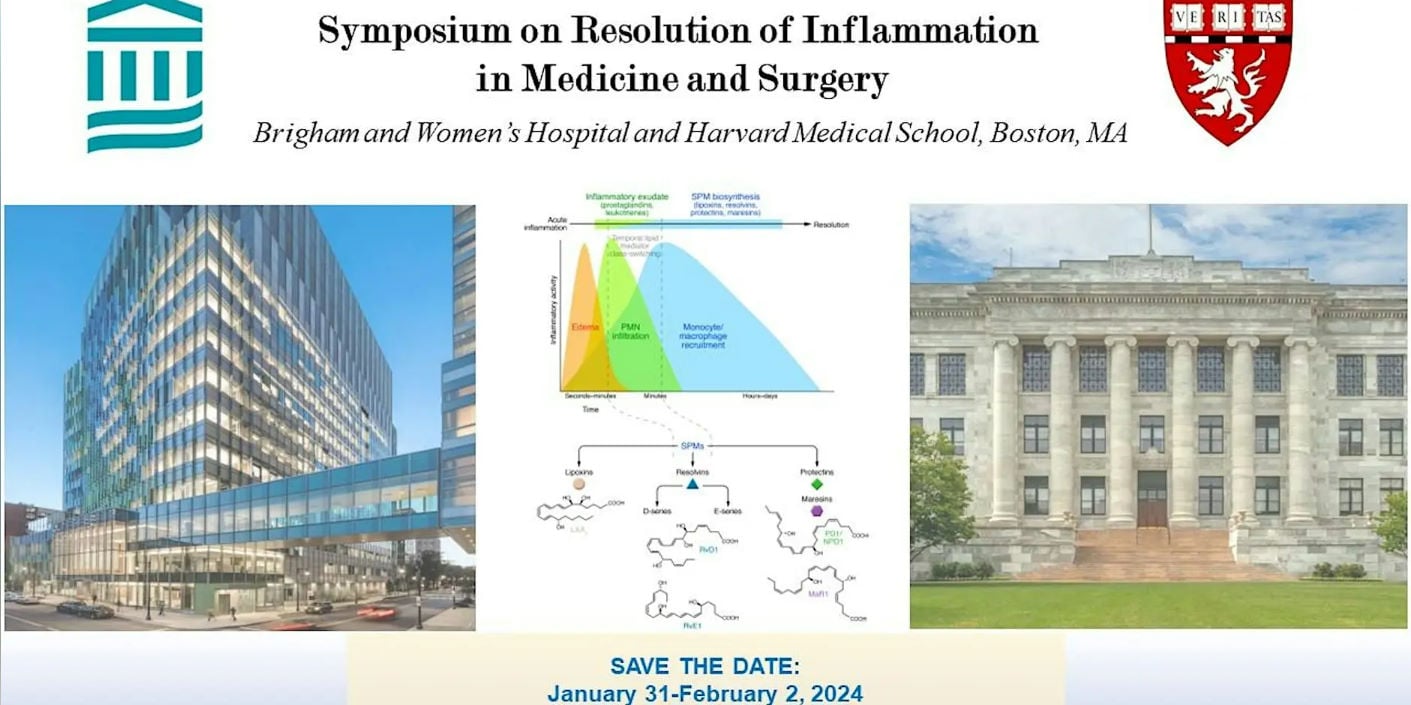
Brigham And Women’s Hospital Symposium on Resolution of Inflammation in Medicine and Surgery 2024

$40.00
Resolution of Inflammation Symposium 2024 from Brigham and Women’s Hospital explores pro-resolving mediators, cancer-associated inflammation, neuroinflammation, pain and tissue repair. The program took place January 31–February 2, 2024.
Delivery Information: This Product is shared via google drive download link. Please use your correct Gmail address at checkout.
Please note: there are no CME points or certificate associated with this course.
Samples for Courses Can be found here: Free Samples Here!
MedicalAmboss File Scope: The program below describes the symposium subject matter and does not establish that every session is included in the store files. This purchase does not provide organizer registration, an official institutional account, live attendance, or access to an institutional learning platform. Review the available samples for file coverage.
Brigham And Women’s Hospital Symposium on Resolution of Inflammation in Medicine and Surgery 2024
Resolution of Inflammation Symposium 2024 | Specialized Pro-Resolving Mediators (SPMs), Resolvins, Lipoxins, Protectins, Maresins, Inflammation Biology & Resolution Pharmacology
The Brigham And Women’s Hospital Symposium on Resolution of Inflammation in Medicine and Surgery 2024 is an advanced multidisciplinary educational program exploring the rapidly developing science of inflammation resolution, Specialized Pro-Resolving Mediators (SPMs), resolvins, protectins, maresins, lipoxins, and resolution pharmacology.
Presented through the scientific leadership of Professor Charles N. Serhan, PhD, DSc, and the organizing committee, the symposium brings together internationally recognized scientists, clinicians, surgeons, and biomedical researchers to examine how the active resolution of inflammation influences disease progression, tissue repair, host defense, pain, fibrosis, and recovery following injury or surgery.
Unlike traditional concepts that viewed resolution of inflammation as a passive process, modern resolution biology demonstrates that inflammation termination is an actively regulated biochemical process involving endogenous lipid mediators and specific cellular signaling pathways.
Research from the Serhan Laboratory helped define major families of pro-resolving mediators—including resolvins, protectins, maresins, and lipoxins—that contribute to limiting excessive inflammation, promoting clearance of inflammatory cells and microbes, supporting tissue regeneration, and restoring tissue homeostasis.
The symposium translates these fundamental discoveries into emerging therapeutic concepts relevant to pulmonary disease, cardiovascular medicine, vascular surgery, oncology, critical care, neuroinflammation, ophthalmology, pain medicine, regenerative medicine, and perioperative care.
Course Details
- Course: Symposium on Resolution of Inflammation in Medicine and Surgery 2024
- Institutional Affiliations: Brigham and Women’s Hospital, Harvard Medical School, and Harvard School of Dental Medicine
- Scientific Leadership: Charles N. Serhan, PhD, DSc
- Dates: January 31 – February 2, 2024
- Location: Harvard Medical School, Boston, Massachusetts
- Format: Three-day scientific and clinical symposium
- Primary Focus: Resolution biology, Specialized Pro-Resolving Mediators, lipid mediators, inflammation, translational medicine, and resolution pharmacology
Target Audience
This symposium is designed for physicians, surgeons, scientists, investigators, pharmacists, biomedical researchers, fellows, residents, and healthcare professionals interested in the mechanisms and clinical implications of inflammation and its resolution.
It is particularly relevant for:
- Pulmonologists
- Medical Oncologists
- Vascular Surgeons
- Cardiologists
- Ophthalmologists
- General Surgeons
- Critical Care Physicians
- Anesthesiologists
- Pain Medicine Specialists
- Neurologists
- Otolaryngologists
- Rheumatologists
- Dermatologists
- Immunologists
- Pharmacologists
- Translational Researchers
- Biomedical Scientists
- Regenerative Medicine Researchers
- Fellows and Residents
Program Overview
Acute inflammation is an essential protective response to infection, trauma, and tissue injury. However, persistent or inadequately resolved inflammation contributes to numerous chronic disorders affecting virtually every organ system.
The Symposium on Resolution of Inflammation in Medicine and Surgery 2024 focuses on the molecular and cellular mechanisms responsible for actively terminating inflammatory responses and restoring tissue homeostasis.
Central to this field are Specialized Pro-Resolving Mediators (SPMs), a group of endogenous lipid-derived signaling molecules that include:
- Resolvins
- Protectins
- Maresins
- Lipoxins
These mediators participate in coordinated biological processes that can reduce excessive inflammatory signaling without broadly suppressing host defense.
Their actions include promoting removal of inflammatory cells, supporting microbial clearance, regulating leukocyte trafficking, stimulating tissue repair, reducing pain, and helping restore physiological homeostasis.
The symposium explores the transition of these discoveries from fundamental biochemistry and structural biology into potential applications in human disease and therapeutic development.
Learning Objectives
Upon completion of this activity, participants should be able to:
- Describe the biochemical pathways, structural biology, and functional mechanisms of Specialized Pro-Resolving Mediators (SPMs) and resolvins in active inflammation resolution and tissue homeostasis.
- Evaluate the therapeutic potential of SPMs, aspirin-triggered lipid mediators, and pro-resolving receptor agonist antibodies in chronic inflammatory airway diseases, pulmonary fibrosis, and respiratory viral infections.
- Analyze the role of resolution physiology in vascular remodeling, atherosclerosis, myocardial repair, and endovascular surgical interventions.
- Assess the mechanisms by which resolution mediators attenuate cancer-associated inflammation, tumor progression, neurodegenerative pathology, and neuropathic or inflammatory pain.
- Integrate principles of immunonutrition, resolution pharmacology, and pro-resolving profiling assays into surgical recovery, critical care management, and wound repair protocols.
Official Program Topics and Scientific Highlights
Session I – Resolution Biology and Specialized Pro-Resolving Mediators
Birth of Resolution Phase Mediators: Resolvins & SPM Structure & Functions
Charles N. Serhan, PhD, DSc
An overview of the discovery, structural characterization, and biological functions of resolution-phase mediators, including resolvins and other Specialized Pro-Resolving Mediators.
This presentation establishes the molecular framework for understanding inflammation resolution as an active and highly regulated biological process.
Specialized Pro-Resolving Mediators in Asthma and RSV Infections
Bruce D. Levy, MD
Exploration of the role of SPMs in airway inflammation, asthma, host defense, and respiratory viral disease, with particular emphasis on respiratory syncytial virus and mechanisms controlling pulmonary inflammatory responses.
SPMs in Airway Inflammation and Fibrosis
Patricia J. Sime, MD, FRCP
Discussion of how persistent inflammatory responses contribute to pulmonary fibrosis and how pro-resolving pathways may influence inflammatory signaling, fibroblast activity, tissue remodeling, and lung repair.
SPMs in Resolving Cancer Inflammation and Tumor Burden
Dipak Panigrahy, MD
Examination of the relationship between unresolved inflammation and cancer biology, including how endogenous resolution mediators may influence tumor-associated inflammation and tumor progression.
Specialized Pro-Resolving Mediators
A major scientific focus of the symposium is the biology of Specialized Pro-Resolving Mediators (SPMs).
SPMs are endogenous lipid-derived signaling molecules produced during the resolution phase of inflammation.
Major families include:
- Resolvins
- Protectins
- Maresins
- Lipoxins
These molecules regulate several processes that contribute to the return of tissues toward homeostasis.
Rather than simply blocking inflammatory pathways, pro-resolving mediators actively coordinate mechanisms that terminate inflammation while supporting host defense and tissue recovery.
Resolvins and Resolution Pharmacology
Resolvins are among the most extensively studied classes of SPMs.
Derived primarily from omega-3 polyunsaturated fatty acids, resolvins participate in signaling pathways involved in:
- Leukocyte regulation
- Macrophage-mediated clearance
- Reduction of excessive neutrophil infiltration
- Tissue repair
- Pain modulation
- Microbial clearance
- Restoration of tissue homeostasis
Understanding these mechanisms has contributed to the development of the emerging field of resolution pharmacology, which aims to therapeutically activate endogenous mechanisms that naturally terminate inflammation.
Lipoxins
Lipoxins represent another important family of endogenous pro-resolving lipid mediators.
They participate in inflammatory resolution by influencing leukocyte recruitment, macrophage activity, inflammatory signaling, and tissue repair.
Research in this area also includes aspirin-triggered lipoxins, which demonstrate how commonly used medications may interact with endogenous resolution pathways.
Protectins
Protectins are lipid mediators derived primarily from docosahexaenoic acid.
They have been investigated for their potential roles in:
- Neuroprotection
- Inflammation regulation
- Tissue preservation
- Cellular stress responses
- Resolution of inflammatory injury
Their actions are relevant to both inflammatory disease and neurodegenerative research.
Maresins
Maresins are macrophage-derived lipid mediators involved in the active resolution of inflammation.
Research suggests that maresins participate in:
- Tissue regeneration
- Macrophage function
- Resolution of inflammatory responses
- Pain control
- Restoration of tissue homeostasis
Aspirin-Triggered Lipid Mediators
The program also explores how aspirin can influence endogenous resolution pathways.
Aspirin can promote formation of specialized lipid mediator epimers, including aspirin-triggered lipoxins and related pro-resolving compounds.
These discoveries have expanded understanding of aspirin’s biological effects beyond conventional inhibition of prostaglandin synthesis.
Pulmonary Inflammation and Fibrosis
Chronic airway and pulmonary inflammatory diseases represent major applications of resolution biology.
Topics include the potential role of pro-resolving mediators in:
- Asthma
- Respiratory viral infections
- Airway inflammation
- Pulmonary fibrosis
- Lung injury
- Host defense
- Tissue remodeling
Understanding why pulmonary inflammation sometimes fails to resolve may provide new therapeutic opportunities for chronic respiratory disease.
Cardiovascular Disease and Vascular Biology
Persistent inflammation is an important contributor to cardiovascular and vascular disease.
Resolution pathways may influence:
- Atherosclerosis
- Vascular remodeling
- Endothelial biology
- Myocardial injury
- Tissue repair after ischemia
- Vascular inflammation
- Postoperative vascular recovery
These mechanisms are particularly relevant for cardiologists, cardiovascular scientists, and vascular surgeons.
Cancer-Associated Inflammation
Inflammatory signaling within the tumor microenvironment can influence tumor growth, immune responses, angiogenesis, and disease progression.
The symposium examines how resolution mediators may influence cancer-associated inflammation and explores the concept of controlling inflammatory pathways without producing generalized immunosuppression.
Neuroinflammation and Neurodegeneration
Failure to appropriately resolve inflammation within the nervous system may contribute to neurological injury and neurodegenerative disease.
Resolution biology provides a framework for studying mechanisms responsible for terminating neuroinflammation while preserving tissue integrity and neuronal function.
Pain and Inflammation Resolution
Resolution mediators are increasingly being studied in relation to inflammatory and neuropathic pain.
SPMs may influence pain pathways by modulating inflammatory signaling, immune-cell activity, and tissue recovery.
This area has particular relevance to anesthesiology and pain medicine.
Surgery and Perioperative Inflammation
Surgery produces a coordinated inflammatory response that is essential for healing but can become harmful when inflammation persists or becomes dysregulated.
Resolution biology may provide new strategies for understanding:
- Postoperative inflammation
- Surgical recovery
- Wound healing
- Tissue regeneration
- Ischemia-reperfusion injury
- Postoperative pain
- Organ dysfunction
Critical Care and Severe Inflammation
Critically ill patients frequently experience complex inflammatory responses associated with trauma, infection, sepsis, or organ injury.
Research into inflammation resolution seeks to understand how pro-resolving pathways may help restore immune balance without compromising antimicrobial defense.
Immunonutrition and Omega-3 Fatty Acids
Omega-3 fatty acids such as EPA and DHA serve as biochemical precursors for several families of specialized pro-resolving mediators.
This relationship provides a mechanistic connection between dietary fatty acids, lipid mediator biology, inflammatory regulation, and tissue recovery.
The symposium therefore offers important insights into the growing field of immunonutrition and inflammation resolution.
Lipid Mediator Profiling and Translational Research
Advanced analytical techniques are increasingly important for studying SPM biology.
Research methodologies associated with the field include:
- Lipid mediator metabolomics
- Targeted LC-MS/MS profiling
- Lipid mediator informatics
- Eicosanoid and docosanoid analysis
- SPM profiling
- Proteomics
- Structural lipid analysis
These technologies allow investigators to characterize inflammatory and pro-resolving mediator pathways in experimental and clinical samples.
Major Topics Covered
Key topics include:
- Resolution of inflammation
- Specialized Pro-Resolving Mediators
- Resolvins
- Protectins
- Maresins
- Lipoxins
- Aspirin-triggered lipid mediators
- Resolution pharmacology
- Lipid mediator biology
- Acute inflammation
- Chronic inflammation
- Tissue homeostasis
- Leukocyte biology
- Macrophage biology
- Inflammation signaling
- Airway inflammation
- Asthma
- Respiratory viral infections
- Pulmonary fibrosis
- Cancer-associated inflammation
- Tumor biology
- Atherosclerosis
- Cardiovascular inflammation
- Vascular remodeling
- Myocardial repair
- Neuroinflammation
- Neurodegeneration
- Neuropathic pain
- Inflammatory pain
- Surgical inflammation
- Perioperative inflammation
- Critical care
- Tissue regeneration
- Wound healing
- Immunonutrition
- Omega-3 fatty acids
- EPA and DHA
- Resolution mediator profiling
- Lipidomics
- LC-MS/MS
- Translational inflammation research
- Regenerative medicine
Scientific Leadership
Charles N. Serhan, PhD, DSc
Professor Serhan is internationally recognized for foundational research defining the molecular mechanisms involved in the active resolution of inflammation.
His laboratory has contributed extensively to the discovery and structural characterization of multiple families of endogenous pro-resolving lipid mediators, including resolvins, protectins, and maresins.
His research has helped establish inflammation resolution as an active biological process and has contributed to the development of the field now known as resolution pharmacology.
Why This Symposium Is Relevant
Inflammation contributes to the pathophysiology of many major acute and chronic diseases. However, therapeutic approaches have traditionally concentrated on suppressing inflammatory signals rather than understanding how inflammatory responses naturally terminate.
Resolution biology introduces a different therapeutic paradigm.
Instead of simply inhibiting inflammation, researchers are investigating ways to stimulate the body’s endogenous mechanisms responsible for resolving inflammation, clearing inflammatory cells, supporting antimicrobial defense, promoting tissue repair, and restoring homeostasis.
This approach has potential implications across multiple medical and surgical specialties, including:
- Pulmonary medicine
- Cardiovascular medicine
- Oncology
- Vascular surgery
- Critical care
- Neurology
- Ophthalmology
- Rheumatology
- Dermatology
- Anesthesiology
- Pain medicine
- General surgery
- Regenerative medicine
The symposium is therefore particularly valuable for clinicians and researchers seeking to understand the translational potential of SPMs and resolution pharmacology.
Official event reference: See the Harvard Medical School event page and published program for the January 31–February 2, 2024 symposium. The program is a reference for the event, not a store file inventory.
Topics
-
Wednesday, January 31 (Session I & Session II)
-
Session I
-
Opening Remarks & Meeting Charge
-
Birth of Resolution Phase Mediators: Resolvins & SPM Structure & Functions
-
Specialized Pro-Resolving Mediators (SPM) in Asthma & RSV Infections
-
SPM in Airway Inflammation & Fibrosis
-
SPM in Resolving Cancer Inflammation & Tumor Burden
-
SPMs, Lipoxins in Dublin
-
Speaker Panel Discussion (Chairs: Dr. Darryl Zeldin, Prof. Thomas E. Van Dyke, Matthew Spite)
-
-
Session II
-
Vascular Roles of SPM & Treatment Potential
-
Resolvins & SPM in Cardiology
-
Resolvins in Atherosclerosis
-
Ocular Functions of SPM & Their Receptors
-
Speaker Panel Discussion (Chairs: Dr. Darryl Zeldin, Nan Chiang, Prof. Charles N. Serhan)
-
-
-
Thursday, February 1 (Session III & Session IV)
-
Session III
-
Immunonutrition-SPM in Surgery & Critical Care
-
Aspirin Triggered Resolvins and Lipoxin Clearing Infections
-
SPM in Neuroinflammation and Degenerative Diseases
-
Resolvins & SPM in Pain
-
Speaker Panel Discussion (Chairs: Prof. Charles N. Serhan, Nan Chiang)
-
-
Session IV
-
Salivary Glands, Resolvins-SPM in Sjogren’s Disease
-
Resolvins & SPM in Alzheimer’s Disease & Oral Inflammation
-
Resolvins and Novel SPM in Wound Healing & Repair
-
Agonist Antibodies for Pro-Resolving Receptors
-
Speaker Panel Discussion (Chairs: Stephania Libreros, Prof. Thomas E. Van Dyke)
-
-
-
Friday, February 2 (Session V & Session VI)
-
Session V
-
SPM Pharmacology & Activation of Inflammation-Resolution Program
-
Specialized Pro-Resolving Mediators in Lung Regulatory T Cell Responses
-
SPM Organic Synthesis: Breaking Scale-up Barriers
-
Speaker Panel Discussion (Chairs: Prof. Charles N. Serhan, Matthew Spite)
-
-
Session VI
-
Operationalizing the Resolution Assays: Profiling & in vivo Systems
-
ePOSTERS: The Atlas of Inflammation-Resolution & Exhibitor Displays
-
Closing Remarks
-
-
Related products

Internal Medicine
Medical Accounts
Internal Medicine
Anesthesiology & pain medicine
Critical Care Symposium: Mastering ED Mechanical Ventilation
Medical Accounts

Critical Care - Emergency medicine
Internal Medicine

Internal Medicine