
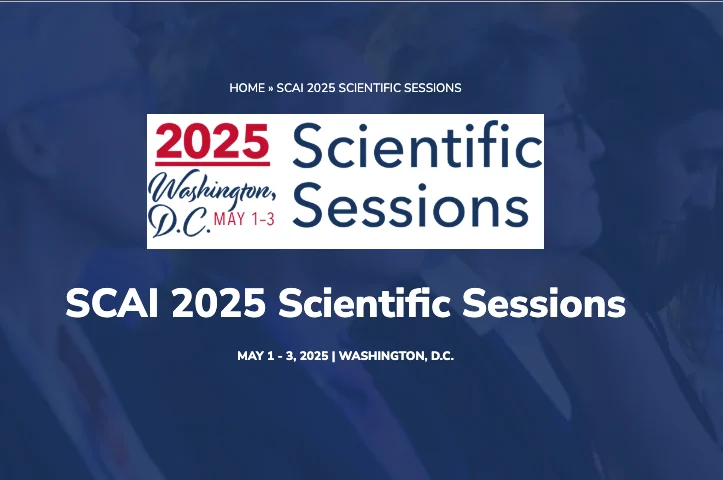
Society for Cardiovascular Angiography & Interventions Scientific Sessions 2025

$60.00
Interventional cardiology review covering PCI, TAVR, structural heart disease, peripheral intervention, congenital cardiology and cardiovascular research.
Delivery Information: This Product is shared via google drive download link.
Please note: there are no CME points or certificate associated with this course.
For assistance, contact us on Telegram: https://t.me/medicalamboss1
MedicalAmboss File Scope: MedicalAmboss File Scope: This listing describes the educational subject matter for reference. Provider registration, live attendance, streaming-platform access, CME or other credit, certificates, memberships, apps, accounts, and publisher-hosted extras are not included unless they are explicitly listed as store files. MedicalAmboss.
Society for Cardiovascular Angiography & Interventions Scientific Sessions 2025
SCAI Scientific Sessions 2025 | Interventional Cardiology, PCI, Structural Heart, TAVR, Peripheral Interventions, Congenital Heart Disease & Endovascular Medicine
The Society for Cardiovascular Angiography & Interventions Scientific Sessions 2025 (SCAI 2025) is a major international educational meeting dedicated to the latest advances in interventional cardiology and endovascular medicine.
Held from May 1–3, 2025, in Washington, D.C., the three-day scientific program brought together interventional cardiologists, cardiovascular specialists, researchers, fellows, nurses, technologists, and other members of the cardiovascular care team to review new clinical evidence, procedural techniques, emerging technologies, and practical approaches to complex cardiovascular interventions.
The comprehensive program included major tracks in coronary intervention, structural heart disease, peripheral vascular intervention, congenital heart disease, and interventional leadership, alongside live cases, hands-on workshops, learning laboratories, endovascular practicums, clinical research presentations, abstracts, case discussions, and new SCAI clinical documents.
SCAI reported more than 1,900 attendees, 500+ faculty members, and 380+ scientific abstracts at the 2025 meeting.
Course Details
- Course: Society for Cardiovascular Angiography & Interventions Scientific Sessions 2025
- Common Name: SCAI 2025 Scientific Sessions
- Provider: Society for Cardiovascular Angiography & Interventions (SCAI)
- Dates: May 1–3, 2025
- Location: Walter E. Washington Convention Center
- City: Washington, D.C.
- Format: Three-Day In-Person Scientific Conference
- Primary Specialty: Interventional Cardiology
- Additional Focus: Structural Heart Disease, Peripheral Vascular Intervention, Congenital Heart Disease and Endovascular Medicine
- Attendees: 1,900+
- Faculty: 500+
- Scientific Abstracts: 380+
- Recorded Sessions: Available through the official SCAI Conference Library
Target Audience
The SCAI 2025 Scientific Sessions is designed for cardiovascular professionals involved in invasive and interventional care.
The target audience includes:
- Interventional Cardiologists
- Invasive Cardiologists
- General Cardiologists
- Pediatric Cardiologists
- Congenital Heart Disease Specialists
- Structural Heart Disease Specialists
- Vascular Specialists
- Internal Medicine Physicians
- Cardiology Fellows-in-Training
- Interventional Cardiology Fellows
- Cath Lab Nurse Practitioners
- Physician Assistants
- Cath Lab Nurses
- Cardiovascular Technologists
- Radiologic Technologists
- Cardiovascular Technicians
- Clinical Researchers
- Cardiovascular Quality Improvement Professionals
It is especially relevant for clinicians seeking current knowledge in PCI, structural heart intervention, TAVR, complex coronary disease, peripheral vascular disease, congenital interventions, cardiovascular devices, imaging, and catheterization laboratory practice.
Program Overview
Interventional cardiovascular medicine continues to evolve rapidly as new devices, procedural techniques, imaging technologies, clinical trials, and practice guidelines change the way cardiovascular disease is diagnosed and treated.
The SCAI 2025 Scientific Sessions provides an extensive review of these developments across the major subspecialties of catheter-based cardiovascular care.
The meeting combines scientific evidence with procedural education and practical clinical experience.
Educational formats include:
- Live cardiovascular cases
- Hands-on workshops
- Learning laboratories
- Endovascular practicums
- Case-based education
- Featured clinical research
- Scientific abstracts
- Oral research presentations
- Poster presentations
- International case exchanges
- Expert lectures
- Clinical guideline discussions
- New SCAI clinical documents
- Fellows-focused complex case education
The goal is to translate advances in cardiovascular science and technology into improved procedural decision-making and patient outcomes.
Learning Objectives
Upon participation in the sessions, attendees should be able to:
- Assess the most recent scientific advances, clinical evidence, techniques, challenges, and opportunities within the field of interventional cardiovascular medicine.
- Use appropriate diagnostic studies and clinical guidelines for the evaluation of heart disease and apply new pharmacologic and interventional approaches to the management of adult and pediatric patients.
- Appropriately select newly developed devices, procedural techniques, and therapies for cardiovascular disease to improve short- and long-term clinical outcomes after intervention.
- Employ quality-based practices, including appropriate use criteria, clinical guidelines, consistent documentation, and quality metrics for interventional procedures.
- Recognize and reduce occupational hazards associated with interventional medicine, including radiation exposure and orthopedic risks.
Official Program Tracks
Coronary Track
The Coronary Track focuses on contemporary percutaneous coronary intervention and management of complex coronary artery disease.
Major themes include:
- Percutaneous Coronary Intervention
- Complex PCI
- Acute Coronary Syndromes
- STEMI
- Chronic Total Occlusion
- Coronary Imaging
- Intravascular Ultrasound
- Physiologic Lesion Assessment
- Bifurcation Intervention
- Calcified Coronary Disease
- Antiplatelet Therapy
- Coronary Devices
- Procedural Complications
- Contemporary Stent Strategies
The track integrates new clinical evidence with procedural techniques and case-based decision-making.
Structural Heart Track
The Structural Heart Track examines rapidly evolving catheter-based therapies for valvular and structural cardiovascular disease.
Important areas include:
- Transcatheter Aortic Valve Replacement
- TAVR
- Mitral Valve Intervention
- Tricuspid Valve Intervention
- Transcatheter Valve Therapies
- Valve-in-Valve Procedures
- Structural Heart Imaging
- Left Atrial Appendage Procedures
- Patient Selection
- Procedural Planning
- Structural Heart Complications
The program emphasizes both emerging technologies and practical procedural strategies.
Peripheral Track
The Peripheral Track focuses on catheter-based management of peripheral and endovascular disease.
Topics include:
- Peripheral Artery Disease
- Endovascular Revascularization
- Lower Extremity Intervention
- Vascular Imaging
- Limb Ischemia
- Complex Peripheral Intervention
- Device Selection
- Endovascular Techniques
- Procedural Outcomes
Hands-on and endovascular practicum formats provide additional opportunities for procedural learning.
Congenital Heart Disease Track
The Congenital Track is dedicated to catheter-based treatment of congenital cardiovascular abnormalities in pediatric and adult patients.
Program highlights include:
- Congenital cardiac catheterization
- Imaging before, during, and after intervention
- Congenital structural abnormalities
- Percutaneous valve procedures
- Pulmonary valve intervention
- Tricuspid valve intervention
- Mitral valve procedures
- Valve-in-valve techniques
- Complex congenital cases
The program also emphasizes collaboration between pediatric congenital intervention and adult structural heart practice.
Interventional Leadership Track
The Interventional Leadership Track addresses professional and operational issues affecting contemporary cardiovascular programs.
Areas include:
- Cath Lab Leadership
- Physician Leadership
- Career Development
- Cardiovascular Program Management
- Reimbursement
- Contracts
- Procedural Safety
- Clinical Service Development
- Physician Collaboration
- Cardiovascular Service-Line Strategy
- Quality Improvement
These sessions broaden the meeting beyond procedural education to include the organizational aspects of delivering high-quality cardiovascular care.
Live Cases
Live cases are an important component of SCAI Scientific Sessions.
These sessions allow participants to observe expert operators performing cardiovascular procedures while discussing:
- Patient selection
- Procedural planning
- Imaging
- Device choice
- Technical strategy
- Complication management
- Alternative approaches
- Clinical decision-making
Live procedural education helps connect scientific evidence with real-world catheterization laboratory practice.
Hands-On Workshops & Learning Labs
The conference includes hands-on workshops and learning laboratories designed to provide practical exposure to cardiovascular technologies and procedural concepts.
These sessions may focus on:
- Devices
- Imaging
- Procedural planning
- Interventional techniques
- Complex anatomy
- Complication management
- Cath lab workflow
Endovascular Practicums
Endovascular practicums focus on the practical skills and technologies used in peripheral vascular intervention.
These educational activities complement formal lectures by emphasizing procedural application and device-related decision-making.
Featured Clinical Research
SCAI 2025 included extensive presentation of new cardiovascular research.
The official program reported more than 380 scientific abstracts, presented through:
- Oral abstract presentations
- Poster presentations
- Clinical research sessions
- Late-breaking research
- Case presentations
This research addressed evolving questions in coronary, structural, peripheral, and congenital intervention.
Selected Emerging Research Topics
Research presented during SCAI 2025 included studies examining:
- TAVR outcomes
- Antiplatelet therapy following transcatheter valve intervention
- Chronic total occlusion PCI
- IVUS-guided coronary intervention
- GLP-1 receptor agonists and cardiovascular outcomes
- Heart failure outcomes
- Acute myocardial infarction
- Peripheral artery disease
- STEMI
- Contemporary cardiovascular devices
These studies highlight the increasing integration of pharmacologic, metabolic, imaging, and procedural strategies in cardiovascular care.
Featured Lectures
Keynote Lecture
A Brief Glimpse at the Past and Hopes for the Future of Interventional Cardiology
Robert M. Califf, MD, MACC
The keynote presentation examined the development of interventional cardiovascular medicine and perspectives on its future direction.
Hildner Lecture
Competition vs Compassion: What Leads to Innovation and Self-Improvement
William L. Lombardi, MD, FSCAI
This featured lecture explored professional development, innovation, collaboration, and the factors influencing continued improvement within interventional cardiology.
Mullins Lecture
At the Crossroads Between Pediatric and Adult Structural Interventions—An Example of Interdisciplinary Collaboration and Cross-Fertilization
Horst Sievert, MD, FSCAI
This lecture highlighted the increasing interaction between pediatric congenital intervention and adult structural heart medicine.
Coronary Artery Disease and PCI
Percutaneous coronary intervention remains one of the foundational areas of interventional cardiology.
The SCAI program explores evolving approaches to:
- Lesion assessment
- Stent selection
- Coronary imaging
- Physiologic assessment
- Complex coronary anatomy
- Chronic total occlusion
- Calcified lesions
- Bifurcations
- Acute coronary syndromes
- Procedural complications
The emphasis is on combining clinical evidence with procedural expertise to optimize patient outcomes.
Chronic Total Occlusion
Chronic total occlusion intervention remains a major area of complex PCI.
SCAI 2025 research included evaluation of outcomes associated with stenting and intravascular imaging in patients undergoing CTO intervention.
CTO sessions and research provide insight into:
- Patient selection
- Procedural planning
- Imaging guidance
- Revascularization strategies
- Technical approaches
- Outcomes
Intravascular Imaging
Intravascular imaging has become increasingly important for optimizing complex PCI.
Technologies such as IVUS can assist with:
- Lesion assessment
- Vessel sizing
- Stent optimization
- Assessment of calcification
- Identification of procedural complications
SCAI 2025 included research examining clinical outcomes associated with imaging-guided intervention.
Structural Heart Disease
Transcatheter structural interventions continue to expand rapidly.
Major clinical areas include:
- Aortic stenosis
- TAVR
- Mitral valve disease
- Tricuspid valve disease
- Valve-in-valve intervention
- Structural imaging
- Patient selection
- Post-procedure antithrombotic therapy
The program combines clinical research with procedural guidance and case-based education.
TAVR
Transcatheter aortic valve replacement remains one of the most important areas in contemporary structural heart intervention.
SCAI 2025 included research examining:
- TAVR outcomes
- Prosthesis-patient mismatch
- Post-TAVR antiplatelet therapy
- Patient selection
- Procedural outcomes
These studies contribute to ongoing refinement of transcatheter valve practice.
Peripheral Artery Disease
Peripheral vascular intervention is another major component of the SCAI program.
Relevant topics include:
- Peripheral artery disease
- Endovascular revascularization
- Limb ischemia
- Device selection
- Peripheral imaging
- Cardiovascular risk reduction
The conference integrates interventional techniques with contemporary medical therapy and outcomes research.
Congenital Cardiac Intervention
Congenital cardiovascular intervention requires specialized expertise and frequently involves collaboration between pediatric and adult interventional cardiologists.
Educational topics include:
- Congenital lesion imaging
- Catheter-based repair
- Valve intervention
- Complex anatomy
- Pediatric intervention
- Adult congenital heart disease
Radiation & Occupational Safety
Interventional cardiology exposes clinicians and cath lab teams to unique occupational risks.
The program emphasizes strategies to reduce:
- Radiation exposure
- Cumulative operator radiation
- Musculoskeletal stress
- Orthopedic injury
- Occupational fatigue
Appropriate equipment, procedural technique, laboratory design, and awareness of cumulative exposure are central components of safe interventional practice.
Quality Improvement in Interventional Cardiology
High-quality cardiovascular intervention extends beyond procedural success.
The meeting addresses:
- Appropriate use criteria
- Clinical guidelines
- Procedural documentation
- Quality metrics
- Patient safety
- Outcome measurement
- Cath lab performance
These principles support consistent and evidence-based cardiovascular care.
Major Topics Covered
- Interventional Cardiology
- Percutaneous Coronary Intervention
- PCI
- Complex PCI
- Chronic Total Occlusion
- CTO PCI
- Acute Coronary Syndrome
- STEMI
- Coronary Artery Disease
- Coronary Imaging
- IVUS
- Physiologic Lesion Assessment
- Antiplatelet Therapy
- Structural Heart Disease
- TAVR
- Transcatheter Valve Intervention
- Mitral Valve Intervention
- Tricuspid Valve Intervention
- Valve-in-Valve Procedures
- Peripheral Artery Disease
- Endovascular Intervention
- Vascular Intervention
- Congenital Heart Disease
- Pediatric Interventional Cardiology
- Cardiovascular Imaging
- Cardiovascular Devices
- Catheterization Laboratory
- Live Cases
- Procedural Complications
- Radiation Safety
- Occupational Safety
- Clinical Guidelines
- Cardiovascular Quality Improvement
- Cardiovascular Research
- Late-Breaking Clinical Trials
- Cardiovascular Leadership
Program Leadership
The official 2025 program leadership included:
Interventional Cardiology Program
- Binita Shah, MD, FSCAI — Program Chair
- Sahil A. Parikh, MD, FSCAI — Associate Program Chair
- Andrew J. Klein, MD, FSCAI — Assistant Program Chair
Congenital Heart Disease Program
- Zahid Amin, MD, MSCAI — Program Chair
- Howaida El-Said, MD, PhD, FSCAI — Associate Program Chair
- Athar M. Qureshi, MD, FSCAI — Assistant Program Chair
The conference included more than 500 faculty members across its scientific and educational program.
Continuing Medical Education
SCAI is accredited by the Accreditation Council for Continuing Medical Education (ACCME).
For the original live SCAI 2025 meeting:
- Interventional Cardiology Program: Maximum of 14.5 AMA PRA Category 1 Credits™
- Congenital Heart Disease Program: Maximum of 14.25 AMA PRA Category 1 Credits™
- ABIM MOC: Up to 14.25 Medical Knowledge MOC points
- ABP MOC: Up to 12 Medical Knowledge MOC points
The original SCAI deadline for claiming CME from the live 2025 meeting was June 30, 2025.
Purchasing educational recordings or files from this MedicalAmboss listing does not itself grant official SCAI CME or MOC credit. Official credit was subject to SCAI participation, evaluation, and credit-claim requirements.
Why This Course Is Relevant
Interventional cardiology is one of the fastest-evolving areas of cardiovascular medicine.
New devices, transcatheter therapies, intravascular imaging tools, procedural techniques, pharmacologic strategies, and clinical trial findings continually influence practice.
The SCAI 2025 Scientific Sessions brings these areas together in a single multidisciplinary program.
It is particularly valuable for professionals interested in:
- Complex PCI
- Structural heart intervention
- Peripheral vascular procedures
- Congenital intervention
- New cardiovascular devices
- Live procedural education
- Clinical trials
- Complication management
- Procedural safety
- Quality improvement
For clinicians involved in catheter-based cardiovascular care, the program provides a broad overview of the scientific and technical developments shaping current interventional practice.
Short Description
<div style=”border:2px solid #1677b8;border-radius:10px;padding:16px;background:#f7fbfe;”>
Society for Cardiovascular Angiography & Interventions Scientific Sessions 2025 (SCAI 2025) provides an extensive update in interventional cardiology, PCI, complex coronary intervention, structural heart disease, TAVR, peripheral vascular intervention, congenital heart disease, cardiovascular imaging and endovascular medicine. The three-day program includes live cases, clinical research, hands-on education, case-based sessions, procedural guidance and expert presentations from more than 500 faculty.
+ Topics:
Related products

USMLE / kaplan and Board Review
Uworld USMLE COMLEX Level 1 Qbank, Updated Jan 2023, System- and Subject-wise (PDF)

Anesthesiology & pain medicine
Internal Medicine
Internal Medicine

Critical Care - Emergency medicine

Critical Care - Emergency medicine
Cardiology
Internal Medicine