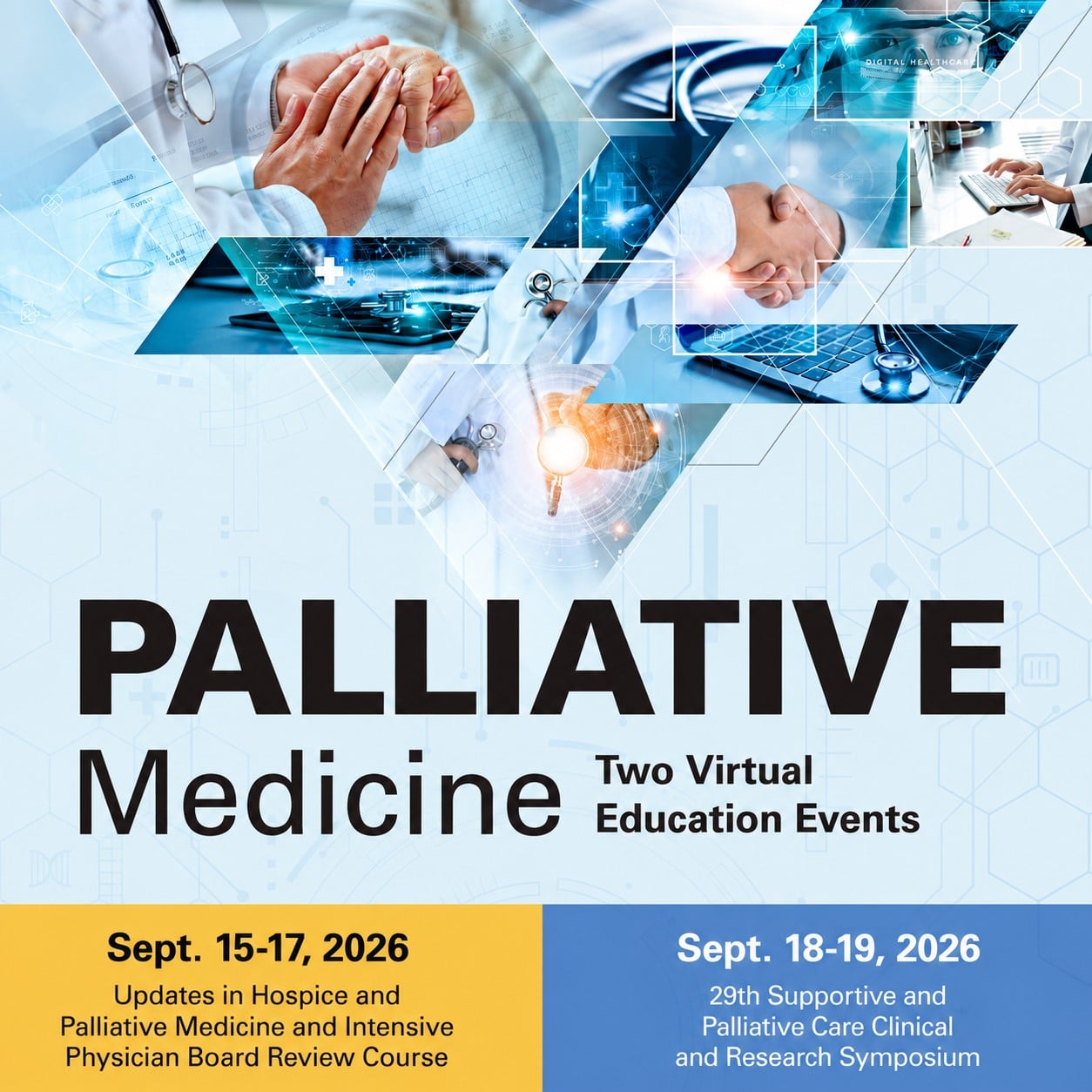
The University of Texas MD Anderson Cancer Center Updates in Hospice and Palliative Care and Intensive Physician Board Review 2026

$100.00
This Product is shared via google drive download link, So please share your correct Gmail id while placing the order .Please note that there are no CME points or certificate associated with this course Samples for Courses Can be found here : Free Samples Here!
The University of Texas MD Anderson Cancer Center Updates in Hospice and Palliative Care and Intensive Physician Board Review 2026
+ Target Audience: Palliative care specialists, hospice physicians, medical oncologists, hematologists, pain medicine specialists, internal medicine physicians, family medicine physicians, geriatricians, critical care physicians, hospitalists, nurse practitioners, physician assistants, registered nurses, clinical pharmacists, social workers, chaplains, psychologists, and healthcare professionals involved in supportive care, hospice, and palliative medicine.
+ Information:
- Course Title: Updates in Hospice and Palliative Care and Intensive Physician Board Review 2026
- Organizer: The University of Texas MD Anderson Cancer Center
- Conference: Annual Interdisciplinary Conference on Supportive Care, Hospice and Palliative Medicine
- Year: 2026
- Primary Specialty: Hospice and Palliative Medicine
- Additional Focus: Supportive Oncology, Pain Management, Symptom Control, End-of-Life Care, and Interdisciplinary Patient Care
- Educational Approach: Expert Lectures, Interactive Case Discussions, and Evidence-Based Clinical Reviews
- Educational Focus: Clinical Updates, Symptom Management, Communication Skills, Ethical Decision-Making, and Palliative Care
+ Description:
The University of Texas MD Anderson Cancer Center Updates in Hospice and Palliative Care and Intensive Physician Board Review 2026 is a comprehensive medical education program focused on evidence-based hospice and palliative medicine, supportive oncology, complex symptom management, and interdisciplinary care for patients with advanced and life-limiting illnesses.
Presented by The University of Texas MD Anderson Cancer Center, the program explores contemporary approaches to managing pain, dyspnea, nausea, fatigue, delirium, bowel dysfunction, and other challenging symptoms encountered throughout the course of serious illness.
The educational curriculum also emphasizes serious illness communication, goals-of-care discussions, prognostic disclosure, shared decision-making, ethical and legal challenges, spiritual care, and support for patients and family caregivers.
Through expert-led lectures, interactive case discussions, and interdisciplinary perspectives, the program examines practical strategies for reducing suffering, improving quality of life, integrating palliative interventions alongside disease-directed treatments, and coordinating comprehensive patient-centered care.
The conference brings together expertise from palliative medicine, hospice, oncology, nursing, clinical pharmacy, social work, chaplaincy, and related healthcare disciplines.
Learning Objectives
At the conclusion of this activity, participants should be able to:
- Apply evidence-based pharmacological and non-pharmacological strategies to assess and manage pain and complex non-pain symptoms (e.g., dyspnea, nausea, fatigue, delirium, and bowel dysfunction) in patients with advanced illnesses.
- Demonstrate enhanced communication skills for conducting serious illness conversations, establishing goals of care, navigating prognostic disclosure, and addressing conflict in clinical decision-making.
- Recognize and navigate complex ethical, legal, and spiritual challenges encountered in hospice and palliative medicine, including decision-making capacity, surrogate decisions, and end-of-life care transitions.
- Integrate supportive care and palliative interventions early alongside active disease-directed treatments to optimize quality of life and clinical outcomes.
- Utilize an interdisciplinary team-based approach to address physical, psychosocial, and spiritual suffering for diverse patient populations and their family caregivers.
Comprehensive Topics Covered
1. Evidence-Based Pain Management in Palliative Care
Review of pharmacological and non-pharmacological approaches to assessing and managing pain in patients with advanced cancer and other serious illnesses.
The educational focus includes individualized symptom assessment, complex pain management considerations, treatment selection, and patient-centered approaches to improving comfort.
2. Management of Complex Non-Pain Symptoms
Clinical approaches to common and challenging symptoms experienced by patients receiving hospice and palliative care.
Key Topics:
- Dyspnea and respiratory discomfort
- Nausea and vomiting
- Cancer-related and serious illness-associated fatigue
- Delirium
- Bowel dysfunction
- Symptom assessment
- Supportive symptom management
- Patient comfort and quality of life
3. Supportive Oncology and Palliative Care Integration
Review of early integration of palliative interventions alongside active cancer treatment and other disease-directed therapies.
Topics include supportive oncology, coordinated treatment planning, symptom relief, quality-of-life considerations, and continuity of care across the illness continuum.
4. Serious Illness Communication
Practical approaches to communicating with patients and families about advanced illness, complex medical decisions, prognosis, and treatment goals.
Key Topics:
- Serious illness conversations
- Prognostic disclosure
- Goals-of-care discussions
- Shared decision-making
- Patient and family communication
- Addressing uncertainty
- Conflict resolution
- Patient-centered counseling
5. Ethical and Legal Challenges in Palliative Medicine
Discussion of complex ethical and legal considerations encountered in hospice, supportive care, and end-of-life clinical practice.
Key Topics:
- Medical decision-making capacity
- Surrogate decision-making
- Ethical clinical dilemmas
- Conflicting treatment preferences
- End-of-life care transitions
- Professional responsibilities
- Patient autonomy
- Communication during difficult clinical decisions
6. Hospice Care and End-of-Life Transitions
Review of care considerations for patients approaching the end of life, including appropriate care planning, symptom management, communication, and family support.
The program emphasizes compassionate, coordinated, and goal-concordant care for patients with life-limiting illnesses.
7. Psychosocial Support in Serious Illness
Recognition and management of psychological, emotional, and social concerns affecting patients and caregivers.
Topics include emotional suffering, family support, psychological well-being, interdisciplinary assessment, and psychosocial interventions.
8. Spiritual Care in Hospice and Palliative Medicine
Review of spiritual concerns and the role of spiritual support in comprehensive palliative care.
The educational focus includes recognition of spiritual distress, collaboration with chaplaincy services, and respectful consideration of individual values and beliefs.
9. Interdisciplinary Palliative Care
Integration of multiple healthcare disciplines in managing the complex needs of patients with advanced illness.
Healthcare Disciplines:
- Palliative medicine physicians
- Hospice physicians
- Medical oncologists
- Nurses and advanced practice providers
- Clinical pharmacists
- Social workers
- Chaplains
- Psychologists
- Other supportive care professionals
10. Patient- and Family-Centered Care
Strategies for aligning clinical decisions with patient preferences, supporting family caregivers, improving communication, and addressing physical, emotional, social, and spiritual needs.
11. Quality of Life and Relief of Suffering
Review of approaches intended to reduce symptom burden, support patient comfort, and improve quality of life throughout serious illness.
12. Case-Based Clinical Decision-Making
Application of evidence-based approaches through interactive clinical case discussions involving complex symptoms, communication challenges, ethical concerns, and interdisciplinary care.
Educational Highlights
- Comprehensive hospice and palliative medicine updates
- Evidence-based pain management
- Pharmacological and non-pharmacological symptom control
- Dyspnea, nausea, fatigue, delirium, and bowel dysfunction
- Supportive oncology and early palliative care integration
- Serious illness conversations and prognostic communication
- Goals-of-care discussions
- Shared clinical decision-making
- Ethical and legal challenges in palliative medicine
- Decision-making capacity and surrogate decisions
- Hospice and end-of-life care transitions
- Psychosocial and spiritual support
- Patient and family caregiver needs
- Interdisciplinary palliative care
- Quality-of-life improvement
- Case-based clinical education
Clinical & Educational Value
The MD Anderson Updates in Hospice and Palliative Care and Intensive Physician Board Review 2026 provides an interdisciplinary educational review relevant to physicians and healthcare professionals involved in caring for patients with advanced cancer, serious medical conditions, and life-limiting illnesses.
The curriculum integrates symptom assessment, evidence-based treatment strategies, supportive oncology, communication skills, ethical decision-making, and comprehensive hospice and palliative care.
Its emphasis on interdisciplinary collaboration supports coordinated care among physicians, nurses, pharmacists, social workers, chaplains, psychologists, and other healthcare professionals.
The program is particularly relevant to clinicians seeking to strengthen their understanding of complex symptom management, improve communication with patients and families, and support compassionate, individualized care throughout the illness continuum.
Important Access Information
This description summarizes the original educational scope of the MD Anderson conference. The thematic sections above are organized from the supplied conference overview and learning objectives; they are not verified individual lecture titles.
The supplied information does not specify the exact conference dates, detailed faculty roster, individual lecture schedule, or number of educational recordings.
The contents and completeness of any separately supplied digital educational package should be confirmed before purchase. Official MD Anderson registration, live participation, provider-platform access, CME credits, board certification benefits, and certificates are not included unless expressly stated in the purchased package.
Short Description
The University of Texas MD Anderson Cancer Center Updates in Hospice and Palliative Care and Intensive Physician Board Review 2026 provides comprehensive educational coverage of hospice and palliative medicine, supportive oncology, cancer pain management, complex symptom control, serious illness communication, ethical and legal decision-making, end-of-life care, and interdisciplinary patient support.
Topics
Pain Assessment & Advanced Analgesic Management
- Cancer Pain Pathophysiology and Comprehensive Clinical Assessment
- Opioid Initiation, Titration, Equianalgesic Conversion, and Rotation Strategies
- Management of Opioid-Induced Neurotoxicity, Hyperalgesia, and Tolerance
- Safe Opioid Prescribing, Risk Stratification, and Substance Use Disorder in Palliative Care
- Adjuvant Analgesics in Neuropathic, Inflammatory, and Bone Pain
- Interventional Pain Management Procedures (Nerve Blocks, Intrathecal Therapy) in Advanced Disease
Management of Non-Pain Symptoms
- Clinical Assessment and Management of Cancer-Related Dyspnea and Respiratory Distress
- Management of Refractory Nausea, Vomiting, and Malignant Bowel Obstruction (MBO)
- Delirium at the End of Life: Assessment, Reversible Causes, and Palliative Sedation
- Cancer-Related Fatigue, Anorexia-Cachexia Syndrome, and Nutritional Interventions
- Palliative Management of Constipation and Opioid-Induced Constipation (OIC)
- Sleep Disturbances, Anxiety, and Depression in Advanced Serious Illness
Communication, Goals of Care & Shared Decision-Making
- Serious Illness Communication: Delivering Difficult News and Discussing Prognosis
- Structuring Goals of Care Discussions and Advance Care Planning (ACP)
- Navigating Discordance, Family Conflict, and Cultural Considerations in Decision-Making
- Best Practices for Conducting Interdisciplinary Family Meetings
Ethics, Law & End-of-Life Care
- Ethical Considerations in Withdrawing and Withholding Life-Sustaining Therapies
- Indications, Protocol, and Monitoring for Palliative Sedation to Unconsciousness
- Management of the Imminently Dying Patient: Terminal Secretions, Agitation, and Comfort Care
- Care Transitions: Navigating Timely Hospice Referrals and Continuity of Care
Psychosocial, Spiritual & Caregiver Support
- Addressing Existential Distress, Spiritual Suffering, and Dignity Therapy
- Supporting Family Caregivers: Managing Burden, Burnout, and Anticipatory Grief
- Bereavement Care: Identifying Complicated Grief and Support Strategies
- Clinician Wellness, Compassion Fatigue, and Secondary Traumatic Stress Prevention
Related products
Hematology / Oncology
2023 Psychopharmacology in Cancer Care: An Update for Clinicians of All Disciplines

Hematology / Oncology
2022 HEMATOLOGY AND MEDICAL ONCOLOGY BEST PRACTICES ON DEMAND – FULL SESSION 8 Day course
ENT / Otolaryngology

Hematology / Oncology

Hematology / Oncology

Hematology / Oncology